What Mortlake Station commuters should know about rubbish bins
Mortlake Station is a small place, but the daily rhythm around it is busy: commuters stepping off trains, cyclists weaving through, coffee cups in hand, and the constant shuffle of people trying to get somewhere on time. In that environment, rubbish bins matter more than most people think. If you've ever wondered where to put a takeaway cup, how to avoid leaving litter behind, or what to do when the nearest bin is full, this guide on what Mortlake Station commuters should know about rubbish bins gives you the practical answers.
Done well, bin use is simple. Done badly, it creates mess, smells, pests, and avoidable frustration for everyone. Below, you'll find a clear explanation of how bin access works around a station environment, what to watch for, and how to keep your commute tidy without slowing yourself down.
For commuters who also deal with regular household or workplace waste beyond the station, it can help to understand the wider options for waste removal and even broader services such as home clearance or office clearance when clutter starts to pile up at the source.
Table of Contents
- Why rubbish bins near Mortlake Station matter
- How bin use works around a station commute
- Key benefits and practical advantages
- Who this is for and when it makes sense
- Step-by-step guidance for commuters
- Expert tips for better results
- Common mistakes to avoid
- Tools, resources and recommendations
- Law, compliance, standards and best practice
- Options, methods and comparison table
- Case study or real-world example
- Practical checklist
- Conclusion
- Frequently asked questions
Why What Mortlake Station commuters should know about rubbish bins Matters
Station bins do a quiet but important job. They keep platforms, entrances, ticket areas, and nearby pavements usable. They also help prevent rubbish from drifting into drains, hedges, cycle racks, and high-footfall areas where litter quickly becomes everyone's problem.
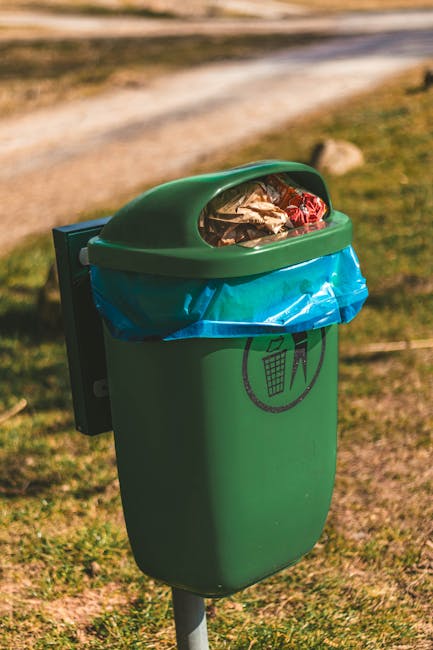
For commuters, the issue is not just cleanliness. It is timing, convenience, and safety. A bin that is easy to reach saves you from carrying waste onto the train. A bin that is overflowing can be just as useless as no bin at all. And a badly placed item, like a hot coffee cup wedged on top of a full bin, can blow away in seconds. That small lapse becomes a bigger nuisance for station staff and other passengers.
There is also a reputational effect. People notice when an area feels cared for. Clean, well-used bins signal order. Overflowing bins signal the opposite. That matters at Mortlake Station because many commuters are in a hurry and judge the place in a few short seconds. One glance often decides whether a station feels welcoming or chaotic.
If you live or work nearby and generate larger volumes of rubbish, it is worth thinking beyond the station itself. Services like business waste removal can reduce the amount of waste you end up carrying day to day, while recycling and sustainability guidance can help you separate waste properly before you leave home.
Expert summary: The best bin habits are simple: use the right bin, avoid overfilling it, never leave loose litter nearby, and carry waste with you if no bin is available. Small habits keep a station pleasant for everyone.
How What Mortlake Station commuters should know about rubbish bins Works
Most commuters are not trying to study waste management. They just want a straightforward answer: where does this go? The practical answer depends on a few things.
1. Look for the nearest available bin, not just any bin
At stations, the nearest bin is not always the best choice if it is full. A bin with rubbish already spilling out can attract litter rather than contain it. If that happens, the best option is often to keep your waste and dispose of it later rather than forcing it into an already overloaded container.
2. Separate what can be recycled, where facilities exist
Some station and street bins are general waste only. Others may support simple recycling streams. If the setup is unclear, do not guess. A contaminated recycling bin is often worse than no recycling at all. When in doubt, treat the bin as general waste unless it is clearly labelled.
3. Follow the flow of your journey
Think in stages: leaving home, reaching the station, travelling, and arriving at the other end. The easiest commute is one where your rubbish is already under control before you reach the platform. A reusable cup, compact snack packaging, or a small bag for waste can prevent awkward moments later.
4. Understand that station bins have limits
Station bins are designed for short-stay commuter waste: wrappers, receipts, tissues, and drink containers. They are not a shortcut for bulky rubbish, old household items, or office waste. If you are carrying anything larger than normal commuter litter, a proper collection route is the right solution.
For those larger jobs, it may be more useful to book flat clearance, furniture disposal, or even furniture clearance rather than trying to manage everything through day-to-day bins.
Key Benefits and Practical Advantages
Good bin habits may sound minor, but they pay off quickly.
- Cleaner station surroundings: Less litter on platforms, kerbs, and pavements.
- Faster journeys: You spend less time wondering where to throw something away.
- Less stress: A tidy routine makes the commute feel smoother.
- Better hygiene: Fewer exposed food wrappers and cups means less mess and smell.
- Lower risk of pests and wind-blown litter: Overflowing waste does not stay put for long.
- More responsible habits: You are less likely to dump waste where it does not belong.
There is also a practical money angle, though not in the dramatic way some people imagine. Keeping small waste under control reduces the temptation to throw larger items into inappropriate bins. That saves hassle later, especially if you are managing a household move, a loft tidy, or a garage clear-out. For those larger projects, services such as garage clearance and loft clearance are usually far more suitable than trying to improvise.
Another upside is social, frankly. People appreciate a station that feels looked after. If you've ever walked through a tidy entrance after a wet morning commute, you already know the difference.
Who This Is For and When It Makes Sense
This advice is useful for anyone who uses Mortlake Station regularly, but a few groups will get the most from it.
Daily commuters
If you travel every weekday, small habits matter. A single sandwich wrapper or coffee lid may seem insignificant, yet repeated across a week it becomes a pattern. Knowing the best place to put waste helps you move through the station without cluttering your bag or the platform.
Parents, carers, and school-run travellers
Families often carry more packaging, tissues, bottles, and snack items. A simple plan for waste stops the chaos of trying to juggle a child, a pram, and an empty wrapper all at once.
Visitors and occasional users
People who are not familiar with the station can be caught out by the simplest thing: a full bin or a lack of obvious recycling signage. If that's you, the safest move is to carry waste until you find a suitable bin rather than leaving it on a ledge or by the railings.
Local residents walking through the station area
Some people pass through the station on foot, maybe on the way to shops or home. If you are carrying household rubbish by mistake or because you are between collections, the station bin is not the right final destination. A better answer may be a scheduled collection service or a one-off waste pickup.
For larger domestic jobs, house clearance and home clearance can be more practical than piecemeal disposal. The same logic applies to businesses nearby, where business waste removal and office clearance are often a cleaner fit than ad hoc disposal.
Step-by-Step Guidance
If you want a tidy commute without thinking about bins all day, use a simple routine.
- Sort waste before you leave home. Put recycling, food waste, and general rubbish into the right containers where possible.
- Carry a small reusable bag or pocket pouch. This keeps wrappers and receipts contained until you reach a bin.
- Check for a bin as you approach the station entrance. If it is obvious and reasonably clear, use it. If it is overflowing, keep walking with your waste.
- Do not leave loose items beside the bin. That creates litter without solving the disposal problem.
- Be patient with timing. If you are carrying a hot drink or snack, it is often easier to wait until you are past the most crowded area.
- Use labelled bins correctly. If recycling is available, follow the signage carefully.
- Take larger waste home or to a proper collection point. Station bins are for small commuter rubbish, not bulk items.
A good rule of thumb: if you would be embarrassed to carry it on the train, it probably does not belong in a station bin either. That sounds obvious, but it is surprisingly useful.
When commuters are clearing out bigger items from home or work, they often benefit from a structured service such as furniture disposal or builders waste clearance instead of trying to bundle everything into a normal journey.
Expert Tips for Better Results
Here are the practical details people often miss.
Keep a mini waste habit in your bag
A lightweight reusable pouch or small sealed bag for wrappers is one of the simplest commuter tools you can own. It keeps your bag cleaner and prevents crumbs, sticky cup lids, or damp tissues from drifting to the bottom.
Watch the "bin edge" problem
People often try to balance waste on the rim of an already full bin. The item may stay there for ten seconds and then fall. It is a tiny moment of hope followed by instant litter. Better to hold onto it and bin it later.
Plan for wet weather
Rain changes everything. Paper receipts turn soggy, paper bags tear, and loose packaging slips from your hand more easily. If the weather is rough, make disposal as deliberate as possible.
Choose reusable items where you can
Reusable cups, bottles, and food containers reduce the amount of waste you need to deal with at the station in the first place. Less packaging equals less hassle. Simple arithmetic, really.
Think beyond the commute
If your bin habits are poor at home, they tend to be poor on the move as well. Keeping your household waste under control often improves your travel routine. If clutter is the bigger issue, services such as flat clearance or furniture clearance can remove the underlying pressure.
Common Mistakes to Avoid
Most bin problems are avoidable. The common errors are usually small, but they add up fast.
- Leaving rubbish on top of bins: This is not disposal. It is just litter with better branding.
- Forcing items into full bins: That can make the problem worse and may cause spillover.
- Mixing waste streams: Recycling contamination can undermine otherwise good intentions.
- Throwing away bulky items: Station bins are not for packaging from a move, broken furniture parts, or household surplus.
- Ignoring nearby bins because you are in a hurry: A few extra seconds usually prevent a much messier outcome later.
- Assuming every bin is the same: Some are general waste, some may be for recycling, and some may have special restrictions.
One of the biggest real-world mistakes is using public bins as a substitute for proper disposal at source. If a person is carrying too much waste from a clear-out, a proper service is safer and more efficient. That is where a provider's recycling and sustainability approach matters, because the goal is not only removal but responsible handling too.
Tools, Resources and Recommendations
You do not need much to stay organised, but a few small tools help.
- Reusable tote or compact waste bag: Keeps wrappers and receipts in one place.
- Small pack of tissues or wipes: Useful for sticky lids or accidental spills.
- Reusable cup and bottle: Cuts down on disposable packaging.
- Phone notes or reminder: Handy if you regularly carry waste from one place to another.
- Local service contacts: Helpful when you need more than a bin can handle.
If you are dealing with a bigger clean-up, it may also help to review a company's pricing and quotes, payment and security, and insurance and safety information before booking. Those pages are not about station bins directly, but they become relevant the moment your waste problem grows beyond commuter litter.
For local businesses with regular footfall, the ability to coordinate proper waste services can be a game-changer. A cleaner environment reduces complaints, avoids overfilled site bins, and supports a better customer experience. For that reason, business waste removal is often the right companion service to a tidy public-facing area.
Law, Compliance, Standards and Best Practice
For everyday commuters, the main rule is straightforward: do not litter, and do not misuse public bins. Beyond that, the practical standard is common sense backed by local expectations. Public bins are intended for small, ordinary waste generated during a journey.
If you are disposing of anything larger, sharper, or potentially hazardous, treat it differently. Broken glass, needles, chemicals, and other dangerous materials should never be left in a public bin unless there is a clearly designated and lawful route for that specific item. Where local guidance is unclear, the safest approach is to keep the item contained and seek proper disposal advice.
Businesses and landlords nearby may also have broader waste responsibilities, including managing rubbish securely and using suitable collection arrangements. While this article is commuter-focused, the same principles apply: avoid obstruction, prevent contamination, and use the right service for the right type of waste.
Trusted operators usually make their standards visible through pages such as health and safety policy, terms and conditions, and about us. Those pages help you judge professionalism before you need anything urgent.
Options, Methods and Comparison Table
If you are deciding what to do with waste around Mortlake Station, these are the main options and how they compare.
| Option | Best for | Pros | Limitations |
|---|---|---|---|
| Use the nearest public bin | Small commuter waste | Fast, simple, convenient | May be full; not suitable for bulky waste |
| Carry waste until a later bin | Overflowing or unavailable bins | Prevents litter; avoids misuse | Requires a bit of patience and a secure bag |
| Separate recyclables at source | Can and bottle packaging | Cleaner waste handling; less contamination | Only works if suitable recycling bins are clearly available |
| Use a proper clearance service | Household, office, or bulky waste | Responsible, efficient, scalable | Not designed for instant roadside disposal |
For most commuters, the first two options are all that is needed. Once you are dealing with bags, boxes, furniture, or old stock, you have moved into a different category entirely. That is where services such as garage clearance and loft clearance start making more sense than public-bin habits.
Case Study or Real-World Example
Imagine a commuter leaving Mortlake after a busy morning. They have a coffee cup, a breakfast wrapper, and a train ticket receipt. The bin near the entrance is half-full but still usable. They place the wrapper and cup in the bin, keep the receipt in a pocket for a moment, and then dispose of it after boarding, where a proper bin is available at the destination. That is tidy, quick, and considerate.
Now compare that with a different scenario. Someone carrying a broken chair component from a weekend clear-out tries to fit it into a station bin because it is "on the way." The item does not fit properly, creates obstruction, and leaves sharp edges exposed. That is not just inconvenient; it is the wrong tool for the job.
The lesson is simple. The size and type of waste should determine the disposal route. Station bins are for travel waste. Clearance services are for clearance waste. Mixing the two is where problems start.
Practical Checklist
Use this quick checklist before and during your commute:
- Have I sorted my waste before leaving home?
- Do I have a small bag or pocket pouch for wrappers and receipts?
- Is the nearest bin clean and usable?
- Is the bin full or overflowing?
- Am I trying to dispose of something too large for a station bin?
- Have I checked whether a recycling bin is clearly labelled?
- Am I avoiding leaving items on ledges, walls, or beside the bin?
- Do I need a larger waste solution later, such as a clearance or collection service?
Quick reminder: if the answer to the last question is yes, do not try to solve a bigger waste problem with a small public bin.
Conclusion
What Mortlake Station commuters should know about rubbish bins comes down to a few common-sense habits: use bins properly, avoid overfilling them, carry waste when needed, and match the disposal method to the waste itself. Those simple choices keep the station cleaner, make journeys easier, and reduce avoidable mess for everyone else.
For everyday wrappers and cups, the public bin is enough. For bigger jobs, clearance and waste services are the smarter route. If you keep that distinction clear, you will rarely have trouble.
If you are dealing with more than commuter litter and need a proper solution for bulk waste, furniture, office items, or household clutter, the next step is to speak to a specialist rather than improvising with public bins.
Get a free quote today and see how much you can save.
Frequently Asked Questions
Where should I throw away my rubbish at Mortlake Station?
Use the nearest suitable public bin if it is available and not overflowing. If the bin is full, keep your waste with you and dispose of it later rather than leaving it beside the bin.
What should I do if the bin near the station is full?
Do not force waste into it or place items on top. Hold onto the rubbish until you find another bin or reach your destination. That helps prevent litter spreading across the station area.
Can I recycle waste at the station?
Only if the bin is clearly labelled for recycling. If the signage is unclear, it is safer to use a general waste bin or keep the item until you can dispose of it properly.
Are station bins meant for food packaging?
Yes, small food packaging such as wrappers, cups, and lids is exactly the kind of waste station bins are usually designed to handle. The key is to keep it neat and not overload the bin.
Is it okay to leave a bag of rubbish next to a bin?
No. Leaving rubbish beside a bin is still littering and can quickly create a mess, especially in windy weather or busy periods.
What if I am carrying bulky waste on my way to the station?
Public station bins are not suitable for bulky items. If you are dealing with furniture, household clutter, or large bags, a proper waste collection or clearance service is the better option.
Do commuters need to sort rubbish before arriving at the station?
It is not mandatory for casual everyday use, but it makes the commute easier. Having waste already separated at home helps you deal with it quickly and responsibly on the move.
What is the best way to carry rubbish on the train?
Use a small sealed bag or pouch so waste stays contained. Avoid loose wrappers in coat pockets or bags, especially if they might leak crumbs or liquid.
Are there legal issues if I misuse a public bin?
Misusing a public bin can create littering problems and may breach local rules or public cleanliness expectations. The safest approach is to use bins appropriately and never leave rubbish where it does not belong.
Why do some areas around stations get messy so quickly?
Busy footfall, limited bin space, and poor weather can all contribute. One overflowing bin can lead to a chain reaction where more litter appears simply because people assume the area is already untidy.
How can local businesses help keep the station area cleaner?
Businesses can reduce spillover by managing their own waste properly, using suitable collections, and avoiding excess packaging. Services like business waste removal and recycling and sustainability support cleaner surroundings and better disposal habits.
Who should I contact if my waste problem is bigger than a commute issue?
If you are dealing with household clutter, office items, or bulky rubbish, contact a professional clearance provider. Pages such as contact us and pricing and quotes are the right place to start.