SW14 rubbish disposal tips for Station Approach terraces
Terraced homes around Station Approach in SW14 can make rubbish disposal feel more awkward than it should. Narrow front paths, limited storage, shared access, and the usual London rush all seem to gang up at once. If you have ever stood in a hallway with a broken chair, two bin bags, and no idea where the dust sheet went, you are in the right place.
This guide gives practical SW14 rubbish disposal tips for Station Approach terraces, with a focus on how to move waste out neatly, legally, and without annoying the neighbours. You will find simple steps, local-minded advice, common mistakes, and the best options for different types of rubbish. No fluff. Just the stuff that actually helps on a Tuesday evening when the hallway is full and the bins are already overflowing.
For larger clear-outs, mixed waste, or awkward items that do not belong in normal household bins, it also helps to understand the wider service options available. Pages like waste removal, home clearance, and furniture disposal can be useful if you need a more structured next step.
Table of Contents
- Why SW14 rubbish disposal tips for Station Approach terraces Matters
- How SW14 rubbish disposal tips for Station Approach terraces Works
- Key Benefits and Practical Advantages
- Who This Is For and When It Makes Sense
- Step-by-Step Guidance
- Expert Tips for Better Results
- Common Mistakes to Avoid
- Tools, Resources and Recommendations
- Law, Compliance, Standards, or Best Practice
- Options, Methods, or Comparison Table
- Case Study or Real-World Example
- Practical Checklist
- Conclusion
- Frequently Asked Questions
Why SW14 rubbish disposal tips for Station Approach terraces Matters
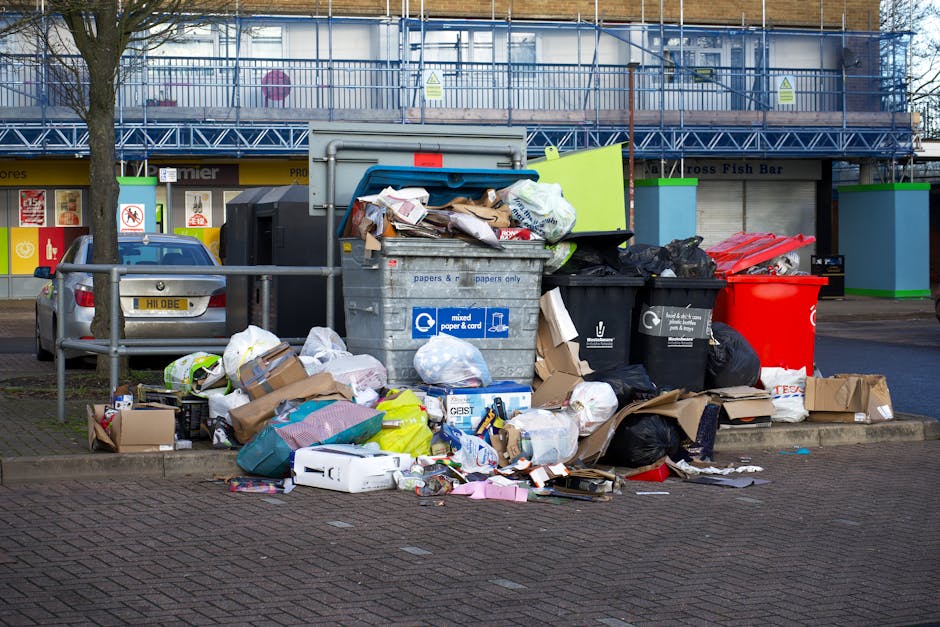
Terraces are great for character, but rubbish disposal in terraced streets is rarely simple. The layout often means less front-garden space, tighter pavements, limited room to store bulky items, and more chance of blocked access if waste is left out carelessly. In a place like Station Approach, that can mean the difference between a tidy same-day clear-up and a pile-up that lingers for days.
It matters for practical reasons first. Waste left in the wrong place can get wet, spread, attract vermin, or become a nuisance for pedestrians. It matters for social reasons too. On streets where people are coming and going, one awkwardly placed mattress or broken wardrobe can make the whole frontage look untidy. Let's face it, nobody wants to be the house with the splintered cabinet leaning into the pavement.
There is also a financial side. Poor rubbish handling can lead to avoidable extra trips to the tip, missed bin collections, or charges if items are left where they should not be. A better system saves time, keeps your home safer, and often makes the job feel less overwhelming.
Expert summary: For Station Approach terraces, good rubbish disposal is really about planning the exit route before you fill the bags. If you know what is leaving, when it is leaving, and how it will be moved, the rest becomes much easier.
How SW14 rubbish disposal tips for Station Approach terraces Works
The process is straightforward once you strip it back. First, separate what can be reused, recycled, donated, or binned. Then work out which items need special handling, such as fridges, TVs, paint tins, rubble, soil, or upholstered furniture. After that, decide whether the waste can go through normal household channels or whether you need a more direct disposal route.
For terraces, the key is access. Waste has to move through hallways, side passages, front steps, or shared entrances without turning your home into a storage depot. The narrower the route, the more you benefit from pre-sorting and bagging in manageable loads. Big, loose heaps create friction. Small, labelled stacks create momentum. Sounds obvious, but people skip this step all the time.
In practical terms, rubbish disposal usually falls into one of four buckets: council-style household waste, recycling, bulky item removal, or a full clearance service. Different loads suit different methods. For example, a few bags of general waste are very different from a garage clear-out with timber, broken furniture, and old paint tins mixed together.
Key Benefits and Practical Advantages
Done properly, rubbish disposal in Station Approach terraces gives you more than just a clearer floor. It reduces stress. It opens up space. It stops that low-level irritation of seeing bags in the hallway every time you walk past, which, to be fair, gets old fast.
- Cleaner access: Hallways, stairs, and front paths stay safer and easier to use.
- Less risk of damage: Proper lifting and packing protect walls, bannisters, and flooring.
- Better neighbour relations: Neat disposal avoids clutter on shared or narrow streets.
- More recycling potential: Sorting first usually means less is wasted.
- Faster turnaround: You can clear the home in one organised push instead of several messy attempts.
There is also peace of mind in knowing where each item is going. If you are clearing a terrace after a move, refurbishment, tenancy change, or family declutter, that certainty matters. You do not want to keep wondering whether a bag of mixed waste or an old sofa was handled properly.
Who This Is For and When It Makes Sense
This advice is for anyone living in or working from a terrace in SW14, especially around Station Approach where access and parking can be a bit tight at busy times. It is useful if you are moving house, clearing a rental, replacing furniture, emptying a loft, or simply catching up with months of household clutter.
It also makes sense if you are dealing with a one-off build-up after repairs, redecorating, or gardening. A small strip of damaged plasterboard, a stack of old shelving, a couple of damp carpets, and a broken dining chair can quickly become an awkward mixed load. If that sounds familiar, you are not alone.
For landlords, agents, and small businesses running from terrace premises, the need is even sharper. Timing matters, presentation matters, and access matters. In those cases, a more structured service such as flat clearance, house clearance, or business waste removal can be a better fit than trying to manage everything piecemeal.
Step-by-Step Guidance
Here is a clean way to approach rubbish disposal without overcomplicating it.
- Walk the property first. Identify everything that needs to go. Be honest. If something has been sitting in the loft for three years and you forgot it existed, it probably counts.
- Sort into clear groups. General waste, recycling, bulky items, electricals, and special items should not all end up in one heap.
- Measure awkward pieces. Check whether bulky items will fit through stairwells, doorframes, and the front gate. A sofa can become a surprise problem very quickly.
- Break down what you can. Flat-pack furniture, cardboard, and some shelving can often be reduced into easier loads.
- Bag and bundle safely. Use sturdy bags and tape or tie loose materials so nothing spills on the way out.
- Keep the exit route clear. Move mats, shoes, bikes, and anything else that could cause a trip.
- Time the removal properly. Early morning or quieter daytime slots are often easier for access and less disruptive for neighbours.
- Choose the right disposal method. If the load is mixed, bulky, or time-sensitive, book a service that matches the scale of the job.
A small but helpful trick: stage items near the exit in waves, not all at once. One pile in the kitchen, one in the hallway, one by the door. That keeps the home usable while you work, which is surprisingly important when you still need to make tea.
Expert Tips for Better Results
One of the biggest mistakes people make is treating all rubbish as equal. It is not. A broken chair, a bag of old clothes, a paint tin, and a stack of loft junk each have different disposal needs. The more you separate early, the smoother everything becomes.
Another useful habit is to protect the house before moving anything. A dustsheet on the floor, cardboard over delicate corners, and a quick sweep of the route can save you from scuffs and arguments later. In terraced homes, a small nick in the stair paint is one of those things you notice every day after. Annoying, really.
If you are clearing heavy or dusty items, wear gloves and decent shoes. Not flip-flops. That should go without saying, but here we are. Also, keep sharp objects wrapped and labelled. A broken mirror or old curtain rail can cause needless injury during carry-out.
When working with mixed waste, think in terms of load efficiency. A half-full bag still takes time to move. A well-organised stack with similar items grouped together is faster, safer, and easier to recycle where possible. And if you are unsure whether an item belongs in a particular waste stream, err on the side of caution and separate it out.
If sustainability matters to you, take a moment to review a provider's recycling and sustainability approach. It is one of those things people often skip until the end, but it can influence how much of your waste is actually recovered rather than simply thrown away.
Common Mistakes to Avoid
Here are the slips that cause most of the hassle.
- Leaving waste in the hallway too long: It creates trip hazards and makes the home feel like a worksite.
- Mixing everything together: Recycling becomes harder, and disposal costs can rise if special items are hidden in general waste.
- Underestimating bulky items: A wardrobe can look fine in a room and then refuse to leave through the stairwell. Classic.
- Ignoring neighbours and shared access: In terraces, courtesy matters. Keep noise, obstruction, and timing sensible.
- Forgetting hidden storage spots: Lofts, under-stair cupboards, garages, and garden sheds often contain more than expected.
- Using weak bags or tired boxes: They split at the worst possible moment, usually on the front step.
One more thing: do not assume every item can simply be left out for collection. Some rubbish needs pre-arrangement, and some needs special handling. When in doubt, check before you move it. That little pause can save a lot of wasted effort.
Tools, Resources and Recommendations
You do not need a van full of kit to dispose of rubbish well, but a few simple tools make life easier.
| Tool or item | Why it helps | Best used for |
|---|---|---|
| Heavy-duty sacks | Reduce splits and spills | General household waste, textiles, lighter mixed rubbish |
| Work gloves | Protect hands from sharp edges and grime | Loft clearances, broken furniture, garden waste |
| Dust sheets | Protect floors and stair runners | Indoor carry-outs through narrow terraces |
| Tape and marker | Helps label loads clearly | Sorting and staging different waste types |
| Trolley or sack barrow | Reduces carrying strain | Bulkier, heavier waste items |
| Protective wrapping | Contains loose debris and sharp corners | Glass, timber, dismantled furniture |
If you are dealing with furniture or a full room clear-out, it may be worth using a service designed for that type of waste. furniture clearance is often the more sensible route for sofas, tables, beds, wardrobes, and similar pieces. For bigger whole-property jobs, house clearance or home clearance can be a cleaner solution.
Law, Compliance, Standards, or Best Practice
Rubbish disposal in the UK should always be approached with care. You do not need to be a legal expert, but you do need to make sure waste is handled responsibly and passed to an appropriate carrier if it is being removed by someone else. For householders in terraced streets, the practical takeaway is simple: do not dump waste on the pavement, do not block shared access, and do not assume all items can go in the same bin.
Electrical items, fridges, freezers, certain furniture types, paints, solvents, and building materials can each require different handling. Best practice is to separate these items early and ask how they will be treated. If you are arranging a professional removal, it is reasonable to ask about insurance, safety, handling methods, and where the waste will go. A reputable operator should be able to explain that clearly.
If your rubbish comes from renovation or maintenance, services such as builders waste clearance can be relevant, especially where there are heavy materials, timber, rubble, or plasterboard. For homes with a mix of old possessions and domestic waste, a general waste removal service is often more practical.
Also, it helps to look for clear policies. Pages like health and safety policy, insurance and safety, and terms and conditions can give you a better sense of how a provider works. Not glamorous reading, admittedly, but useful.
Options, Methods, or Comparison Table
Different rubbish types suit different disposal methods. Choosing well saves time, money, and unnecessary lifting.
| Method | Best for | Pros | Watch-outs |
|---|---|---|---|
| Household bin disposal | Small everyday waste | Simple, familiar, low effort | Limited capacity; unsuitable for bulky or special waste |
| Recycling separation | Cardboard, clean plastics, metals, some textiles | Better environmental outcome | Needs careful sorting and clean materials |
| Bulky item collection | Sofas, beds, wardrobes, appliances | Useful for larger pieces | May require booking and preparation |
| Full waste removal | Mixed or substantial waste loads | Fast, practical, less physical effort | Usually best when volume is too much for bins or ad hoc trips |
As a rule of thumb, if the load is small and clean, household disposal or recycling may be enough. If it is awkward, heavy, mixed, or time-sensitive, a proper clearance route is usually the calmer option. Calm matters. Nobody needs a Saturday ruined by a staircase, a mattress, and a missed collection window.
Case Study or Real-World Example
Take a typical terrace on or near Station Approach: a couple have just finished a kitchen refresh and need to clear out an old broken table, three bin bags of packaging, a microwave, a shelf unit, and some leftover timber. At first glance it does not look huge. Then you start moving things and realise the hallway is narrow, the front step is slippery, and the good weather window is only holding until late afternoon.
In that sort of situation, the smartest move is to sort the waste before the carry-out. Packaging goes one way, timber another, electrical items aside, and the bulky furniture gets planned last so it can be moved without repeatedly shuffling bags around. That cuts down on back-and-forth, and it keeps the exit route clear.
What tends to surprise people is how much smoother the whole job feels once the first few decisions are made. The mess does not magically disappear, of course. But it stops feeling like a mess and starts feeling like a sequence. That shift is everything.
If the job expands beyond what you expected, it may be more practical to use loft clearance for stored household items, or garage clearance when the real source of clutter turns out to be hidden storage you have been ignoring for ages. Happens all the time.
Practical Checklist
Use this before you start moving anything out of the terrace.
- Sort waste into general, recycling, bulky, electrical, and special items.
- Clear a safe route from each room to the front door.
- Check door widths, stairs, and any awkward turns.
- Protect floors, corners, and bannisters.
- Use strong sacks, labels, and wrapping where needed.
- Keep sharp or heavy items separately packed.
- Confirm whether any item needs special disposal.
- Decide whether you need a simple removal or a full clearance.
- Plan timing so access and parking are easier.
- Leave the property tidy once waste is removed.
If your waste is mostly from a wider declutter rather than one room, you might also want to review flat clearance and home clearance options to see which approach fits best. Sometimes the cleanest solution is not the smallest one, oddly enough.
Conclusion
SW14 rubbish disposal tips for Station Approach terraces are really about making life easier in a home type that rewards organisation. Sort early, move carefully, protect the route, and choose a disposal method that matches the actual load rather than the one you wish you had. That approach keeps the job manageable and reduces the usual chaos that comes with terraced access.
Whether you are clearing a few bulky items or tackling a full property reset, the goal is the same: keep things safe, tidy, and sensible. Small decisions made early save time later. And in a terrace, that is half the battle won.
Get a free quote today and see how much you can save.
When the dust settles and the last bag is gone, a clear terrace feels strangely calming. A bit lighter, a bit easier, and much more like home.
Frequently Asked Questions
What is the best way to handle rubbish disposal in a Station Approach terrace?
The best approach is to sort waste first, protect the route out of the property, and use the disposal method that matches the size and type of rubbish. For small amounts, normal household disposal may work. For bulky or mixed waste, a removal service is usually more practical.
Can I leave rubbish outside my terrace for collection?
Only if it is permitted and properly arranged. Leaving waste out casually can create obstruction and nuisance issues. It is safer to keep items contained and only put them out when you know they are due for collection.
How do I dispose of bulky items like sofas or wardrobes?
Bulky items usually need to be broken down if possible or removed through a bulky item collection or clearance service. Measure the route first, because a wardrobe that fits in the room may still be a nightmare on the stairs.
What should I do with mixed rubbish from a loft or garage?
Sort it into clear groups before moving it. Loft and garage waste often contains a mix of old household items, packaging, broken storage, and forgotten bits of metal or wood. A dedicated service like loft clearance or garage clearance may suit this better than standard bin disposal.
Is recycling worth the effort for terrace clear-outs?
Yes, especially when you have cardboard, clean plastics, metal, or reusable household goods. It reduces the amount of waste going into general disposal and usually makes the job more organised too.
How do I avoid damaging walls and floors while moving rubbish out?
Use dust sheets, take corners slowly, and keep heavy items wrapped or padded. In narrow terraces, damage usually happens at pinch points such as doorframes and stairs, so extra care there pays off.
What waste needs special attention?
Electrical items, fridges, freezers, paint, solvents, and some construction materials often need separate handling. If you are unsure, separate them from ordinary rubbish rather than mixing everything together.
How can I tell whether I need waste removal or a full clearance service?
If you have a few bags and one or two awkward items, basic removal may be enough. If you are clearing multiple rooms, a loft, a garage, or a whole terrace, a full clearance service is usually simpler and less stressful.
Are there safety issues when rubbish is stored inside a terrace before collection?
Yes. Bags in hallways and stacked items on stairs can create trip hazards, block exits, and make it harder to move around the home safely. Keep staging areas tidy and short-lived.
What should I ask a waste removal provider before booking?
Ask what types of waste they handle, how they manage recycling, whether they carry insurance, and how they deal with access on narrow streets. Clear answers are a good sign.
Does a terrace clear-out usually take a long time?
It depends on volume, access, and how well things are sorted beforehand. A well-prepared job can move quickly. A badly sorted one can drag on and feel twice as large as it really is.
Where can I learn more about the company's policies before booking?
It is sensible to review pages such as about us, pricing and quotes, payment and security, and complaints procedure so you know what to expect. A little checking up front can save a lot of guessing later.