Riverside clearances: removing junk along Mortlake Thames path
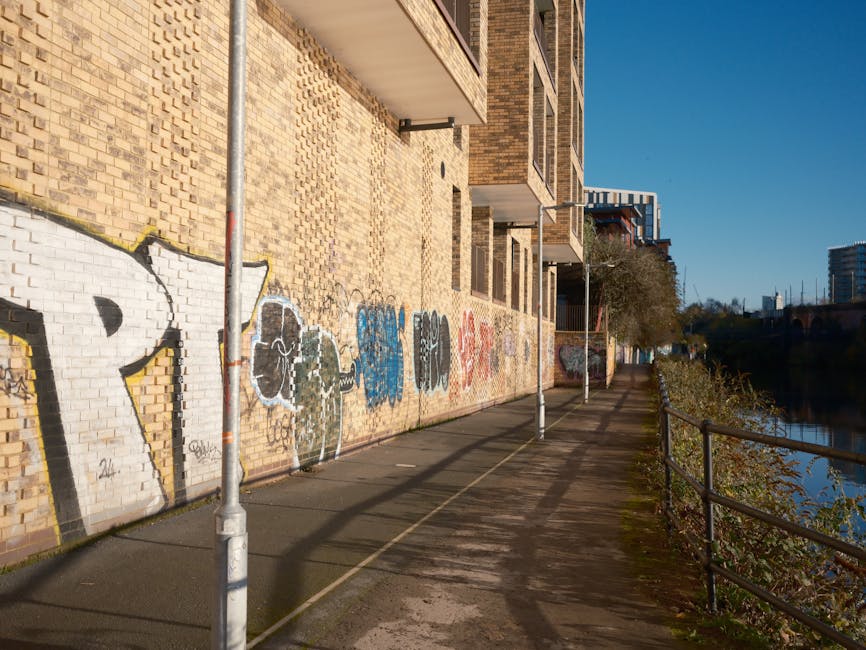
If you have ever walked along the Mortlake Thames path and noticed bags of rubbish, broken furniture, garden debris, or the odd mystery pile tucked against a railing, you will know how quickly a lovely riverside route can start to feel neglected. Riverside clearances are not just about making things look tidier. They help keep a shared path safer, easier to use, and more pleasant for walkers, cyclists, dog owners, and anyone passing through on a grey London morning or a bright Sunday afternoon.
This guide explains how Riverside clearances: removing junk along Mortlake Thames path works in practice, what kinds of waste are usually involved, who benefits, and how to approach the job responsibly. It also covers safety, compliance, recycling, and the sort of decisions that matter when the job is larger than a simple bin run. Truth be told, riverside junk removal sounds straightforward until you meet a rusty barbecue, a broken wardrobe, and a bag of wet garden clippings all in one spot.
Below, you will find a clear step-by-step approach, a practical checklist, and answers to the questions people actually ask before booking a clearance. If you are comparing options, you can also explore related services such as general waste removal, garden clearance, and furniture disposal for mixed loads that include bulky items.
Why Riverside clearances: removing junk along Mortlake Thames path Matters
The Mortlake Thames path is one of those places where a small problem is never really small. A single dumped sofa can catch the eye from far away. A loose bag of waste can blow along the path. A broken pallet or builder's offcut can trip someone when light fades early in winter. So yes, removing junk is about aesthetics, but it is also about practical public use.
Riverside routes often bring together narrow access, changing ground conditions, and heavy footfall. That mix makes unmanaged waste feel more disruptive than it would in an ordinary street. A pile that looks harmless at first glance can hide sharp edges, slippery surfaces, or pests. And near water, damp conditions can make cardboard, textiles, and soft furnishings break down quickly, which does nobody any favours.
There is also the local character of the area to consider. People use the Thames path for commutes, exercise, dog walks, and quiet breaks by the water. If rubbish is left lying around, it chips away at that sense of calm. One bit of junk becomes another. Before long, the path feels like it needs a proper reset.
Expert summary: A good riverside clearance is not just a collection job. It is a tidy, careful, route-aware process that removes waste without creating extra mess, extra risk, or extra disruption for the people who rely on the path.
For local property owners, landlords, and businesses nearby, it can also protect reputation. Nobody wants guests, customers, or residents stepping past waste on the way to the river. That is where planned clearance, sensible sorting, and a reliable collection schedule start to matter. You may find the broader recycling and sustainability approach useful if you want the job done with less going to landfill where possible.
How Riverside clearances: removing junk along Mortlake Thames path Works
In practice, riverside clearance is a mix of assessment, access planning, removal, sorting, and responsible disposal. The exact method depends on the volume and type of waste, but the process is usually more considered than a standard household tip run. That's the point. You want the path left clear, not half-managed.
First, the waste is reviewed. Is it mainly loose litter, mixed rubbish, bulky furniture, garden waste, or builders' debris? That matters because different items need different handling. Wet waste from the river edge, for example, can be heavier than expected, while old cabinets or broken shelving may need two people to move safely.
Next comes access planning. Riverside locations often mean limited parking, narrow gateways, steps, gates, or uneven surfaces. The team has to think about where to stop, how to carry items without blocking pedestrians, and whether the route needs to be cleared in sections. On a busy weekend, a rushed clearance can turn into a minor obstacle course. Nobody wants that.
Then the actual loading begins. Good practice is to separate recyclables where possible, protect surfaces from scuffs, and avoid dragging items across stone, timber, or planted edges. If the waste includes furniture, it may be more efficient to treat it as part of a dedicated furniture clearance rather than general rubbish. For mixed domestic jobs, a home clearance service can also make sense when items have come from properties backing onto the path.
Finally, the waste is taken to appropriate facilities for sorting, recycling, or disposal. Responsible operators should be transparent about what happens next. If you are dealing with several kinds of material at once, it is worth checking the company's insurance and safety arrangements too. A careful plan is nice. A safe plan is better.
Key Benefits and Practical Advantages
There are obvious benefits to clearing junk from the Mortlake Thames path, but the less obvious ones matter too. Here is what people usually notice first, and what they often appreciate later.
- Safer walking and cycling: fewer trip hazards, fewer sharp edges, and less risk from unstable piles of waste.
- Better appearance: the river corridor feels cared for again, which changes how people use and respect it.
- Less fly-tipping pressure: a clean area is less likely to attract more dumping. Not always, but often enough to matter.
- Improved access: clean paths are easier to pass through, especially for prams, mobility aids, or people walking dogs.
- Faster turnaround: a well-planned clearance can remove a lot of material in one visit rather than dragging the issue out.
- Better recycling outcomes: separating waste properly gives more items a chance to be reused or processed responsibly.
There is also a quiet emotional benefit. People breathe easier in spaces that feel looked after. That sounds a bit simple, but it is true. A clean riverside path invites people to linger, to keep walking, to enjoy the water rather than staring at rubbish. In a busy London setting, that matters.
For local commercial premises, studios, small offices, or hospitality sites near the river, tidy surroundings can also support day-to-day operations. If your waste comes from a business or shared premises, it may be worth reviewing business waste removal and, where relevant, office clearance options for a more organised approach.
Who This Is For and When It Makes Sense
Riverside clearances are not just for large-scale cleanup teams. They are useful for a wide range of people and situations, especially where the waste has collected near the path over time rather than arriving all at once.
You may need this service if you are:
- a homeowner whose side access or rear garden backs onto the Thames path
- a landlord dealing with leftover items after a move-out or tenancy change
- a local business with packaging, stock, or broken fixtures that need clearing
- a contractor removing light builders' debris after works near the river
- someone dealing with garage, loft, or shed overflow that has spilled outdoors
- a property manager trying to tidy up shared access or communal edges
It also makes sense when waste is not urgent enough for emergency response, but too awkward for a normal bin day. Think of stacked chairs, damp cardboard, old fencing, plant trimmings, or that slightly embarrassing pile of things you meant to sort out "next weekend". We all have one of those. Some just sit by a river path instead of a fence.
If the load includes items from a flat or compact property, a flat clearance can be a better fit. If it is more about clutter from storage spaces, then garage clearance or loft clearance may be the relevant starting point before the waste is taken away.
Step-by-Step Guidance
If you want the job done properly, the best results usually come from a simple, ordered process. Not glamorous. Just effective.
- Identify the waste type. Separate loose litter, bulky items, green waste, building rubble, and anything hazardous or sharp.
- Check access points. Note narrow sections, steps, gates, parking constraints, and times when the path is busiest.
- Decide what stays and what goes. It sounds obvious, but unclear instructions slow everything down and can lead to accidental removal of useful items.
- Gather photos or a short inventory. This is especially helpful if you need a quote or want to compare service options.
- Book a suitable clearance slot. For mixed waste, a same-day or next-day service is often practical, but not always essential.
- Prepare the area. Move personal items, unlock access where needed, and keep children or pets away during loading.
- Load, sort, and remove. Good teams will prioritise safe lifting, careful handling, and recycling where appropriate.
- Inspect the site afterwards. Check for screws, shards, splinters, or missed fragments, especially near wet ground or low light.
If the job includes older furniture, white goods, or mixed household items, a service that combines house clearance with targeted disposal can save time. That is often easier than trying to piece the work together from several separate bookings.
One small tip: take a quick photo before the clearance begins. It helps you compare the before-and-after result and can also be useful for shared properties or managed spaces. Simple, but handy.
Expert Tips for Better Results
Over time, a few habits make riverside clearances noticeably smoother. They are not dramatic tricks. They just stop the job becoming messy, expensive, or awkward.
- Sort before you book. Even a rough split between bulky items, green waste, and general rubbish makes quotes more accurate.
- Keep wet waste separate where possible. Damp waste can be heavier, smellier, and harder to lift safely.
- Watch for hidden extras. A single sofa may look simple, but broken frames, soaked cushions, or attached fittings can affect the work involved.
- Use the right service for the load. Builders' rubble, for example, is often best handled through builders' waste clearance rather than a general tidy-up.
- Plan around foot traffic. Early morning or quieter periods can make river-path work easier and less disruptive.
- Ask how recycling is handled. A clear answer is a good sign. A vague one is not.
Another useful point: if your waste has come from landscaping, pruning, or a small outdoor refurbishment, you may need a mix of garden clearance and general waste removal. That mixed-load reality is common. In fact, most real jobs are a bit untidy in the planning stage. That's normal.
And if you are unsure whether an item counts as furniture, scrap, or general rubbish, ask before collection. A five-minute question can save a frustrating on-site delay. Better to sound cautious than pretend it is all obvious.
Common Mistakes to Avoid
Most clearance problems are preventable. The job goes wrong when people underestimate the access, the weight, or the disposal needs. A few common mistakes show up again and again.
- Leaving waste too long. Small piles grow, weather makes them worse, and the area becomes harder to clear cleanly.
- Mixing everything together. Recyclable items, green waste, and bulky rubbish are easier to handle when they are separated from the start.
- Forgetting access constraints. A clear path on paper may still be awkward if there are steps, low rails, or tight turns.
- Assuming every clearance is the same. Riverside jobs can be more sensitive than standard domestic rubbish removal.
- Choosing on price alone. Low quotes are tempting, of course. But if the provider is not insured, clear about disposal, or careful with the site, the savings can disappear fast.
- Ignoring safety details. Wet surfaces, nails, broken glass, and unstable items need proper handling. No shortcuts, really.
Another small but important issue is skipping the after-check. People remove the big stuff and forget the fine debris. Along a riverside path, that can still be a problem. Tiny screws and sharp fragments are exactly the sort of thing that cause trouble later.
Tools, Resources and Recommendations
Not every clearance needs specialist machinery, but having the right tools and support makes the work cleaner and safer. For homeowners or site managers doing the prep, these basics are usually enough:
- heavy-duty gloves
- sturdy sacks or rubble bags
- dustpan and brush for fragments
- trolley or sack truck for bulky loads
- torch or headlamp for shaded river-edge areas
- tie-down straps for larger items in transit
If you are arranging professional support, check whether the provider explains how they handle payment, quotes, and scheduling. A clear pricing and quotes page can help you understand what is included before anyone arrives. Likewise, payment and security information is reassuring if you want to book with confidence.
For customers who care about how the job is handled behind the scenes, health and safety policy details and the company's general about us background can help build trust. Small detail? Maybe. But it often tells you a lot about how a team works.
And if you want to understand the business's wider standards around responsible sourcing and labour practices, the modern slavery statement and terms and conditions are worth a quick look. Not thrilling reading, admittedly, but useful all the same.
Law, Compliance, Standards, or Best Practice
Riverside clearance work should be handled with care because waste collection in the UK is not just about lifting and loading. It also involves responsible transfer, correct disposal, and attention to health and safety. The details vary depending on the waste type, but a few best-practice principles are consistent.
First, waste should be handled by a provider that understands duty of care expectations and can take items to appropriate facilities. If there is any uncertainty about hazardous items, electrical goods, or contaminated materials, those items should be flagged early. The same goes for anything that looks sharp, broken, mouldy, or likely to leak.
Second, access and manual handling should be planned sensibly. Along the Thames path, that matters because uneven ground and pedestrian movement can create extra risk. A sensible operator will keep the route clear as much as possible and avoid creating obstruction during loading.
Third, recycling and environmental care are not optional extras. They are part of proper waste management. You do not need to overcomplicate it, but you should expect clear sorting and responsible disposal wherever practical. If sustainability is important to you, the company's recycling and sustainability information should be easy to find and easy to understand.
For commercial sites, additional requirements may apply depending on the nature of the premises and waste. That is where a more formal business waste removal arrangement can be the better fit. If you are ever unsure, ask questions before the work starts. It is perfectly reasonable.
Options, Methods, or Comparison Table
There are a few different ways to deal with junk along the Mortlake Thames path. The right choice depends on volume, access, item type, and how quickly you want the area cleared.
| Method | Best for | Pros | Limitations |
|---|---|---|---|
| DIY removal | Very small, light loads | Low direct cost, immediate action | Time-consuming, lifting risk, disposal logistics |
| Local council collection | Selected bulky items or scheduled collections | Useful in some cases, familiar process | May be slower, less flexible, not ideal for mixed loads |
| Specialist clearance service | Mixed waste, bulky items, awkward access, river-path jobs | Fast, organised, safer handling, better for mixed materials | Cost depends on volume and item type |
| Property-specific clearance | Waste linked to a house, flat, garden, loft, or garage | Tailored to where the waste originated | May need combining with other services |
For many riverside jobs, a specialist clearance team is the most efficient option because the waste is rarely neat. It is usually a bit of this, a bit of that, and one awkward item you were hoping would not be part of the job. It usually is, of course.
If your clear-out is tied to a single area of the property, consider the relevant service first. A house clearance can handle larger domestic reshuffles, while furniture clearance is often the cleanest route for bulky household items. For outdoor or shed-based waste, garden clearance may be the most practical match.
Case Study or Real-World Example
Imagine a riverside terrace property near the Mortlake Thames path after a renovation and a bit of garden tidying. The owners have a broken table, several lengths of timber, damp cardboard from new fittings, a few plant pots, and general clutter that has been sitting under cover for months. Nothing dramatic, but enough to make the side access feel cramped and untidy.
A sensible clearance approach would begin with sorting. The timber and rubble go together as construction-related material. The old table and indoor items go into a furniture or general clearance stream. Garden waste is separated so it can be managed properly. That makes loading easier and disposal more efficient.
On site, the team would likely protect the narrow path or doorway, move carefully around plants or boundary edges, and avoid dragging anything across paving. The before-and-after change would be obvious. More importantly, the access would feel open again. No weird pile leaning against the wall. No loose fragments near the threshold. Just space to move.
That sort of job may sound modest, but it often solves a bigger problem than people expect. Once clutter is out of the way, maintenance becomes easier, the area dries out better, and the property simply feels more looked after. Small win, big relief.
Practical Checklist
Use this checklist before arranging a riverside clearance along the Mortlake Thames path:
- Identify all items that need removing
- Separate garden waste, furniture, building debris, and general rubbish
- Check the route for steps, tight corners, or limited parking
- Remove any personal valuables or documents first
- Take photos if you need a quote or shared approval
- Ask about recycling, disposal, and any restricted items
- Confirm insurance and safety coverage where relevant
- Choose a time that minimises disruption to pedestrians
- Plan a post-clearance sweep for small debris
- Keep pets and children away during loading
Quick reality check: if the job looks bigger once you start sorting, that is normal. It happens all the time. Better to spot it early than halfway through a carry down a narrow path.
Conclusion
Riverside clearances along the Mortlake Thames path are really about keeping a shared local space safe, pleasant, and easy to use. The best results come from thoughtful sorting, careful access planning, proper disposal, and a team that understands the practical realities of riverside work. That includes damp waste, bulky items, public foot traffic, and the simple fact that not every clearance is neat or predictable.
If you are dealing with a one-off dump, a mixed domestic load, or a larger tidy-up near the river, take a moment to choose the right approach rather than the quickest-looking one. A little planning saves hassle later, and the difference along the path is immediate. You can also use the wider support pages for clearer next steps, whether you are reviewing pricing, checking contact options, or reading up on health and safety before you book.
Get a free quote today and see how much you can save.
Sometimes the nicest thing you can do for a riverside path is simply give it back its breathing room.
Frequently Asked Questions
What counts as junk along the Mortlake Thames path?
It usually includes dumped household waste, broken furniture, garden debris, builders' offcuts, bags of rubbish, and occasional bulky items left near access points or fences.
Can a clearance team remove bulky items from a narrow riverside path?
Yes, usually. The key is planning access carefully and using the right number of people and tools for the job. Tight paths just need more thought, not more drama.
Is riverside waste removal different from normal house clearance?
Often, yes. Riverside work tends to involve more access considerations, mixed waste, and a greater need to keep public walkways clear while the job is underway.
What should I do before booking a clearance?
Sort the waste into rough categories, take a few photos, check for access issues, and make sure anything valuable has been removed. That makes quoting and collection smoother.
Do I need a special service for garden waste near the Thames path?
If the waste is mainly hedge cuttings, branches, or outdoor debris, a garden clearance service may be the best fit. For mixed loads, general waste removal may be more practical.
What happens to the waste after collection?
It should be taken to an appropriate facility for sorting, recycling, or disposal depending on the waste type. Responsible providers should be able to explain their process clearly.
Can you clear old furniture from a riverside property?
Yes. Furniture is a common part of these jobs, especially where property access backs onto the path or where items have been stored outdoors temporarily.
How do I know if a company is safe and reliable?
Look for clear insurance information, safety guidance, transparent pricing, and straightforward contact details. A professional website should make those things easy to find.
What if the waste includes builders' debris?
Builders' debris is usually best handled as builders' waste clearance rather than mixed general rubbish, because it can be heavier, dustier, and more disposal-sensitive.
How much does a riverside clearance cost?
Costs vary with volume, item type, access, and how much sorting is needed. The fairest way to get a useful figure is to request a quote based on photos or a clear item list.
Can rubbish along the path attract more dumping?
Unfortunately, it can. A clean, well-kept area is less likely to signal that dumping is tolerated. Clearing it quickly usually helps stop the problem from spreading.
What if I only need to clear one or two items?
That can still be worth arranging, especially if the items are bulky, awkward, or unsafe to move alone. Sometimes a small job is the one that causes the most hassle if left alone.