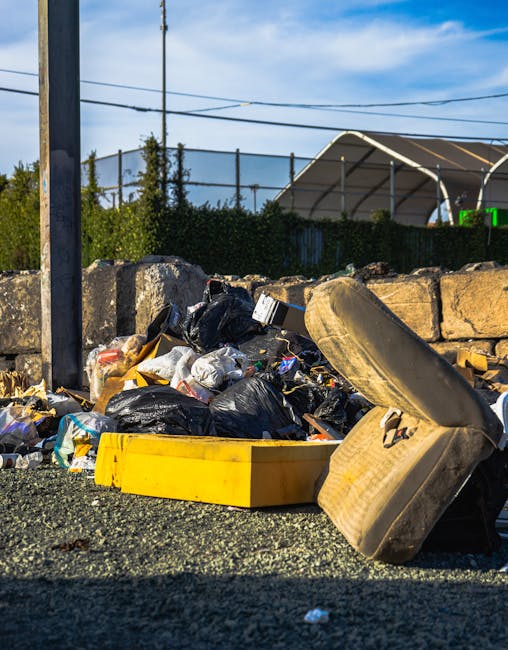
Quick solutions for bulky waste on Mortlake roads
If you have a sofa blocking the hallway, a broken wardrobe in the front garden, or an old mattress that somehow looks heavier every time you move it, you are probably after quick solutions for bulky waste on Mortlake roads. And to be fair, most people are not looking for theory. They want the stuff gone safely, legally, and without turning the pavement into a miniature obstacle course.
Mortlake has its own rhythm: busy commuter roads, residential side streets, tight parking, and the usual London mix of terraced homes, flats, and office spaces. That means bulky waste can be more than an eyesore. It can block access, create safety issues, and cause friction with neighbours or passers-by. This guide walks through the practical options, the sensible shortcuts, and the checks that matter if you want a clean result without hassle.
Along the way, you will also find useful links to related service information, including pricing and quotes, recycling and sustainability, and the company's health and safety policy. Those details matter more than people sometimes think. A quick job is only good if it is handled properly.
Table of Contents
- Why Quick solutions for bulky waste on Mortlake roads Matters
- How Quick solutions for bulky waste on Mortlake roads Works
- Key Benefits and Practical Advantages
- Who This Is For and When It Makes Sense
- Step-by-Step Guidance
- Expert Tips for Better Results
- Common Mistakes to Avoid
- Tools, Resources and Recommendations
- Law, Compliance, Standards, or Best Practice
- Options, Methods, or Comparison Table
- Case Study or Real-World Example
- Practical Checklist
- Conclusion
- Frequently Asked Questions
Why Quick solutions for bulky waste on Mortlake roads Matters
Bulky waste is not just "big rubbish." It usually means items too large or awkward for standard bins: furniture, mattresses, white goods, office desks, broken shelving, and miscellaneous bits that sit around waiting for a decision. On Mortlake roads, those items can create problems quickly because space is limited and foot traffic can be surprisingly constant, especially near busier routes and train-adjacent streets.
The real issue is timing. The longer bulky waste sits outside, the more likely it is to cause complaints, attract fly-tipping, or become damaged by weather. A rain-soaked mattress is a very different job from a dry one. It gets heavier, messier, and more unpleasant to handle. Not exactly anyone's idea of a good Saturday.
There is also a visual and practical angle. In residential areas, one abandoned sofa can make a whole frontage look neglected. In mixed-use streets, bulky waste can affect customers, deliveries, and access for neighbours. If you are trying to keep a property presentable, or hand over a space quickly, fast removal is often the difference between a smooth day and a headache.
For businesses and landlords, there is a further layer: duty of care. You need to know where the waste is going, whether it can be recycled, and how it will be removed without disrupting occupants or customers. That is why many people choose a service that offers insured and safety-conscious removal rather than trying to tackle everything alone with a borrowed van and a hopeful attitude.
How Quick solutions for bulky waste on Mortlake roads Works
In practice, quick bulky waste removal usually follows a simple pattern: identify the items, confirm access, agree the collection, and clear the waste efficiently. The best services keep the process straightforward. You should not need to navigate a maze of forms just to remove a sofa and a desk chair.
It often starts with a quote. A decent provider will ask for photos, item counts, access details, and any special handling requirements. That matters because a chest of drawers on the ground floor is one thing; a cast-iron bed frame from a top-floor flat with a narrow staircase is another. Same street, very different job.
Once the job is confirmed, the collection team normally plans around access, parking, and loading. On Mortlake roads, that can mean careful timing to reduce disruption, especially where parking is tight or where a vehicle needs to stop safely without blocking traffic. A sensible operator will think about those details before the van arrives, not after.
Then comes sorting. If the waste can be reused, recycled, or separated into materials such as wood, metal, and textiles, that should happen. This is where a reputable provider's sustainability approach becomes visible in the real world, not just on a web page. You can see how that mindset is framed in the site's recycling and sustainability guidance.
Finally, the area is swept through and checked. That last bit sounds minor, but it is the difference between "job done" and "job done properly." A few loose fixings, a bit of packaging, or a broken handle left behind can spoil the result.
Key Benefits and Practical Advantages
Quick bulky waste removal is valuable because it solves several problems at once. Yes, the obvious one is getting rid of the item. But the wider benefits are often what people notice afterwards.
- Speed: You clear space fast, which is especially useful during moves, refurbishments, or end-of-tenancy deadlines.
- Safety: Large items can cause trips, cuts, and strain injuries if they are dragged or lifted poorly.
- Appearance: A tidy frontage or hallway makes a property look cared for. Small thing, big impact.
- Compliance: You reduce the risk of improper disposal, which matters for households and businesses alike.
- Less stress: The emotional relief is real. That pile in the corner stops being a daily annoyance.
Another advantage is predictability. If you choose a service with clear pricing, the whole job becomes easier to plan. That is where transparent pricing and quotes can help, especially if you are comparing options and do not want hidden extras sneaking in later. Truth be told, nobody enjoys surprise charges at the end of a waste clearance job.
There is also an environmental upside. Many bulky items do not need to go straight to landfill if they can be separated and sent for recycling. Even when reuse is not possible, material recovery can reduce waste. A responsible service should be able to explain what happens next in plain English, not just vague green language.
Who This Is For and When It Makes Sense
This kind of service is useful for a fairly wide mix of people. If you recognise yourself in any of these situations, you are probably in the right place.
- Homeowners: clearing out old furniture, garage clutter, or items left after a renovation
- Renters: needing to leave a property clean and empty before inspection or handover
- Landlords: dealing with end-of-tenancy bulky items quickly between occupancies
- Estate agents and property managers: preparing a property for viewings or sale
- Local businesses: removing damaged desks, storage units, filing cabinets, or old stock fixtures
- Offices and shared workspaces: making space during moves, refurbishments, or downsizing
It also makes sense when the item is physically awkward. Some things are simply not worth trying to move with two people and a bit of optimism. A bulky wardrobe in a top-floor flat, for instance, can turn into a proper nuisance very quickly. If access is tight, the item is heavy, or the surface is fragile, bringing in the right removal team is often the smartest choice.
One small but common scenario: you have cleared most of a room, but the old sofa is still there, and now it is the only thing stopping the painter from starting. That is exactly when quick collection earns its keep. It unblocks the next step.
Step-by-Step Guidance
If you want the smoothest possible result, the process should be simple and methodical. Here is a practical way to handle it.
- Identify everything that needs removing. Walk through the space and list items clearly. Include awkward extras like mattress toppers, broken shelving, or detached parts.
- Check access points. Look at stairwells, door widths, parking restrictions, lifts, and any low branches or narrow turns outside. The street can be the hidden challenge.
- Take clear photos. This helps a provider estimate volume and understand what equipment may be needed. A photo often saves a long back-and-forth.
- Ask for a written quote. Make sure it includes labour, loading, disposal, and any likely extra charges if access is difficult.
- Separate items if possible. Group recyclable materials together where practical. It makes the job cleaner and sometimes faster.
- Prepare the area. Move small loose items out of the way. Protect floors if the removal route is through a finished interior.
- Confirm timing and parking. On Mortlake roads, a little planning goes a long way. Good timing reduces disruption to neighbours and traffic.
- Do a final check before loading. Once the team starts, it is easy to miss an item tucked behind a door or under a stair.
If you are dealing with a sensitive site, such as a business premises or shared property, it may also help to review the provider's health and safety approach in advance. Small reassurance, maybe, but useful when you want the job done cleanly and with minimum fuss.
And yes, a bit of preparation really can save time. Not always dramatic time, but enough to make the difference between a tight job and a calm one.
Expert Tips for Better Results
People often think bulky waste removal is all about muscle. It is not. The smooth jobs are usually the ones with the best planning. A few practical tips can make a noticeable difference.
1. Photograph items in daylight
Natural light shows size, condition, and access points much better than a dim hallway at 7pm. It also helps avoid awkward surprises. A scratched-up wardrobe may look lighter in a photo than it really is, but at least everyone knows what they are dealing with.
2. Be honest about access
If there is a narrow staircase, a tricky parking bay, or a locked gate, say so early. It is better to be slightly over-descriptive than to let the crew arrive and discover the route is a squeeze. That sort of thing slows everyone down.
3. Group similar materials
Wood, metal, textiles, and electricals often need different handling. If you can separate them in advance, you make recycling easier and reduce sorting time on site.
4. Don't wait for the pile to grow
One broken wardrobe is manageable. Three wardrobes, two chairs, a mattress, and a chest freezer is where things get awkward. Acting early is usually cheaper, simpler, and less annoying.
5. Ask what happens after collection
It is fair to ask where the waste goes. A trustworthy provider should be able to explain whether items are reused, recycled, or disposed of responsibly. If the answer is vague, that is worth noticing.
For payment-related reassurance, especially if you are booking at short notice, you can also check the company's payment and security information. People forget this step until the last minute, then wonder why the invoice process feels messy. Better to check early.
Common Mistakes to Avoid
Most bulky waste problems are not caused by the item itself. They come from a few avoidable mistakes. A quick look at the common ones can save you a fair bit of trouble.
- Leaving items on the pavement too long: this can invite complaints, weather damage, or even fly-tipping risks.
- Assuming everything can go in one load: not all waste streams are handled the same way.
- Ignoring access limitations: a narrow entrance or poor parking can create delays and extra labour.
- Forgetting hidden items: drawers, fixings, and attachments often get missed.
- Choosing solely on price: cheap can be expensive if the service is slow, unsafe, or unclear.
- Not checking insurance: this matters more than people expect, especially in communal or high-value properties.
One mistake I see often is people underestimating the emotional and practical impact of clutter. They keep telling themselves they will sort it "next weekend." Then next weekend becomes next month. Before long, the item has become part of the scenery. Odd how that happens, really.
Another one: stacking too much outside in the hope that collection will be easier. Sometimes it is just messier. If you need to place waste outside temporarily, keep it neat, secure, and as brief as possible.
Tools, Resources and Recommendations
You do not need specialist equipment for every job, but a few tools and resources can make bulky waste handling safer and more efficient.
- Measuring tape: helps confirm whether a sofa, cabinet, or bed base will fit through the route.
- Heavy-duty gloves: useful for sharp edges, splinters, and dusty items.
- Furniture sliders or trolleys: can help move items short distances without damaging floors.
- Clear bin bags or boxes: handy for loose fittings, screws, and smaller mixed waste.
- Phone camera: simple, but one of the best tools for quote accuracy.
For a smoother booking experience, it can be useful to compare the provider's service information with their practical policies. That includes the insurance and safety page, which helps you understand how risk is managed, and the site's main Mortlake office clearance service overview, which shows the wider range of support available if your bulky waste is part of a bigger clearance project.
If you are organising removal for a business or managed property, think about the handover chain. Who books it, who signs it off, and who checks the space afterwards? A tiny bit of structure prevents a lot of "I thought someone else handled that" moments.
Law, Compliance, Standards, or Best Practice
Bulky waste removal in the UK sits within a broader duty to dispose of waste responsibly. The exact obligations can vary depending on whether you are a householder, landlord, or business, so it is wise to stay within accepted best practice rather than guess.
For households, the main concern is avoiding improper disposal, fly-tipping, or leaving items in ways that block access or create a hazard. For businesses, there is usually a stronger need to document how waste is handled and make sure it goes to a legitimate destination. In both cases, using an insured, responsible provider is a sensible safeguard.
Best practice usually includes:
- keeping waste secure before collection
- making sure the provider is clear about disposal routes
- separating recyclable materials where practical
- checking access and safety hazards before collection day
- avoiding obstruction of pavements, driveways, or emergency access
If you are unsure about standards, ask for written confirmation of safety and handling procedures. The company's health and safety policy and modern slavery statement are also useful trust signals when you are choosing a provider. They show the business is thinking beyond the immediate pickup and into wider responsibility.
To be clear, this is not legal advice. But as a practical rule, if the process feels careless, it probably is. Choose the provider that explains things properly.
Options, Methods, or Comparison Table
There are usually a few ways to deal with bulky waste on Mortlake roads. The best choice depends on volume, timing, access, and how quickly you need the space back.
| Method | Best for | Pros | Trade-offs |
|---|---|---|---|
| Council collection | Lower urgency, fewer items | Familiar process, suitable for some household items | May involve waiting, item limits, and limited flexibility |
| Private bulky waste removal | Fast turnaround, awkward access, mixed items | Flexible timing, hands-off service, quicker clearance | Usually costs more than a basic public collection |
| DIY transport to a facility | Small loads, available vehicle, spare time | Direct control over timing | Heavy lifting, parking, and disposal logistics can be a pain |
| Reuse or donation route | Good-condition furniture or appliances | Can extend item life and reduce waste | Not suitable for damaged, unsafe, or heavily used items |
If speed matters most, a private collection is often the practical choice. If the waste is small in volume and you are not under time pressure, another route may be fine. The key is matching the method to the job rather than forcing the job into the cheapest box available.
Case Study or Real-World Example
Here is a realistic example based on the kind of situation many Mortlake residents and businesses face.
A small office near a busy road is refurbishing. The team has already moved out the electronics, but four filing cabinets, a worn reception sofa, and several broken task chairs are still taking up space. The landlord wants the area cleared before contractors arrive the next morning. The access is a bit awkward because the loading area is shared, and parking is tight for most of the day.
Instead of letting the waste sit there and create stress, the manager sends photos, notes the access restrictions, and requests a clear quote. The removal is scheduled for a short window with an agreed collection plan. The team arrives prepared, takes the items out in a controlled way, checks the route for damage, and removes the waste for sorting and responsible disposal.
The result is not dramatic in a cinematic sense, but it is exactly what mattered: the space is ready, the contractor starts on time, and nobody is tripping over a sofa arm at 8am. That is what a good bulky waste solution should feel like. Quietly effective.
If a situation like that sounds familiar, the next sensible step is usually a quote request through the site's pricing and quotes page. It keeps the process clear and helps you plan without guessing.
Practical Checklist
Use this quick checklist before arranging collection. It helps keep the job simple, safe, and less likely to turn into a second visit.
- List every bulky item you want removed
- Take photos in good light
- Measure the widest and tallest pieces
- Check access routes, stairs, lifts, and doors
- Note parking or loading restrictions on Mortlake roads
- Separate recyclables where practical
- Confirm whether the service is insured
- Ask how waste will be handled after collection
- Clear small loose items from the route
- Double-check the date, time, and contact details
Expert summary: the best bulky waste clearances are the ones that feel almost boring on the day - clear quote, clear access, safe lifting, responsible disposal, done. No drama, no last-minute scramble, no mystery pile left behind.
That calm, predictable outcome is what you are aiming for. Simple, really. Not always easy, but simple.
Conclusion
Quick solutions for bulky waste on Mortlake roads are really about more than speed. They are about restoring space, reducing risk, and handling the job in a way that feels organised rather than chaotic. Whether you are clearing a home, a rental, a shop, or an office, the right approach is usually the one that balances timing, safety, and responsible disposal.
Plan a little, measure a little, and choose a provider that is transparent about quotes, insurance, and recycling. Do that, and the whole process gets much easier. In a place like Mortlake, where access and timing can be tight, that practical approach makes all the difference.
Get a free quote today and see how much you can save.
If you are ready to clear the clutter and move on with the rest of the day, that is often the best moment to act. One good decision now can make the next week feel noticeably lighter.
Frequently Asked Questions
What counts as bulky waste on Mortlake roads?
Bulky waste usually means items too large or awkward for regular household bins. That includes sofas, wardrobes, mattresses, desks, cabinets, large chairs, and some white goods. If you are unsure, a photo-based quote is often the easiest way to confirm.
How fast can bulky waste be removed in Mortlake?
It depends on access, volume, and scheduling, but quick turnaround is often possible when the details are clear. The faster you provide photos and item information, the easier it is to arrange a prompt collection.
Is it better to use council collection or a private service?
It depends on urgency and the type of waste. Council collections can suit lower-priority household items, while private services are usually better when you need faster, more flexible removal or have awkward access.
Can bulky waste be recycled?
Often, yes. Many items can be broken down into materials such as wood, metal, and textiles. Good providers will try to recycle or recover materials where possible, rather than sending everything to landfill.
Do I need to move the items outside before collection?
Not always. Many services collect from inside the property, especially if the items are heavy or the route is awkward. That said, always confirm what is included before booking.
How do I avoid hidden charges?
Send accurate photos, mention access issues, and ask for a written quote that explains what is included. Clear communication upfront is usually the best protection against surprise extras.
What if I have one very heavy item like a sofa bed or freezer?
Very heavy or awkward items are exactly where a professional service can help most. They are harder to lift safely and can damage flooring or walls if moved without the right handling.
Is it safe to leave bulky waste on the pavement overnight?
Generally, it is better not to. Leaving items outside can create obstruction, increase risk of damage or fly-tipping, and may upset neighbours. Keep outdoor storage brief and secure where possible.
How do I know the waste is disposed of responsibly?
Ask the provider how they sort, recycle, or dispose of items, and check whether they can explain their process clearly. Reputable companies should be able to discuss this without dodging the question.
What should I do before the removal team arrives?
Clear the route, separate small loose items, confirm access details, and make sure you have identified every item to be removed. A few minutes of prep can save a lot of time on the day.
Can a business arrange bulky waste clearance for offices in Mortlake?
Yes. Office and commercial clearances are very common, especially during refurbishments, closures, and relocations. It is worth choosing a provider that understands safety, access, and security requirements for commercial sites.
Where can I check payment and service confidence before booking?
You can review the provider's payment and security information and also look at their trust pages such as insurance and safety. Those details help you book with more confidence.