Compare Mortlake rubbish removal costs: skip vs man-and-van
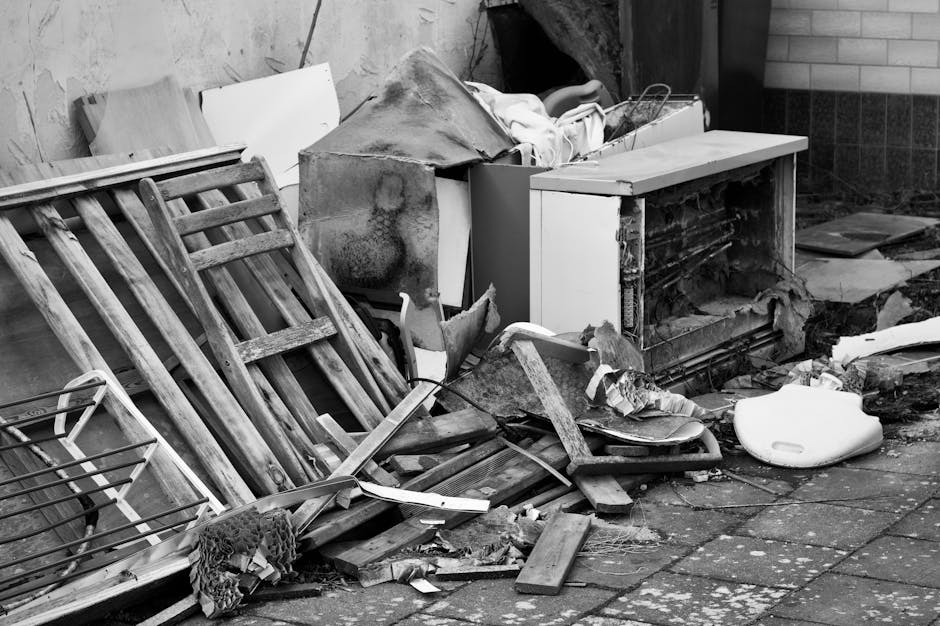
If you are staring at a pile of waste in Mortlake and trying to work out whether a skip or a man-and-van service will cost less, you are not alone. It sounds simple on the surface, but the real answer depends on access, waste type, how quickly you need it gone, and whether you want to load everything yourself. Compare Mortlake rubbish removal costs: skip vs man-and-van with a clear head and you can usually save money, avoid hassle, and pick the option that actually fits the job.
This guide breaks down the practical differences in plain English. We will look at how each service works, where the hidden costs tend to appear, which option suits different types of clearances, and how to avoid the common mistakes people make when booking waste removal. If you are planning a house clear-out, a refurb, a garden tidy, or a one-off bulky waste job, this should make the decision much easier.
Why Compare Mortlake rubbish removal costs: skip vs man-and-van Matters
Rubbish removal is one of those jobs where the cheapest-looking option is not always the cheapest in real life. A skip might seem straightforward, but once you factor in permit costs, driveway protection, time on site, and the need to load it yourself, the total can creep up. A man-and-van service can look pricier at first glance, yet it often includes labour, lifting, loading, and disposal in one visit. That changes the picture fast.
In Mortlake, where streets can be busy, parking can be awkward, and access varies from one property to the next, the difference between the two options matters even more. A front garden, narrow driveway, shared access, or limited on-street space can make a skip less convenient than people expect. And let's face it, nobody wants a skip sitting outside longer than necessary, especially if the weather turns and the bin bag smell starts doing the rounds.
There is also the issue of waste type. Mixed household clutter, broken furniture, office junk, builder's rubble, and garden waste all behave differently. Some loads are best handled in a skip because they are heavy and predictable. Other jobs are better cleared in one quick sweep by a two-person team. That is why a proper comparison saves more than money; it saves frustration.
Key takeaway: the right choice is not just about the headline price. It is about total cost, access, labour, timing, and how much hands-on effort you want to take on yourself.
How Compare Mortlake rubbish removal costs: skip vs man-and-van Works
A skip hire works on a simple model: a skip is delivered, you fill it, and it is collected later. You usually pay for the container size, the hire period, and sometimes a permit if the skip needs to sit on the road. It is a good fit when the waste will build up over a few days or weeks, or when you are doing the loading gradually as part of a project.
A man-and-van service is different. The team arrives, assesses the load, lifts and loads the waste, and takes it away there and then. Pricing is often based on volume, weight, time, and what kind of waste is involved. The appeal is obvious: no heavy lifting for you, no waiting around for a second collection, and no skip parked outside for days.
Here is the bit people sometimes miss. Skip hire is only truly cheaper when you are happy to do the labour yourself and the access is easy. If you are clearing a loft, a flat, or a home with stairs and awkward corners, the physical effort can be the hidden cost. A man-and-van service may cost more on paper, but it can feel cheaper once you count your time, the lifting, and the fact that the job is done in one go.
In practice, you should compare the full picture:
- Container or labour: are you paying for storage space or for people to remove the waste?
- Access and parking: can a skip be placed legally and safely where you need it?
- Speed: do you need the rubbish gone today, or can it wait?
- Waste mix: are you disposing of bulky mixed items, heavy rubble, or lightweight clutter?
- Effort: do you want to load it yourself, or would you rather hand it over?
That is really the core of it. Same job, very different economics.
Key Benefits and Practical Advantages
Both options have real strengths. The better one depends on the shape of your job rather than the marketing headline.
Why a skip can make sense
- You have a steady flow of waste over several days.
- You are already doing manual work, such as a renovation or garden overhaul.
- You want one place to throw everything as you go.
- The waste is heavy and bulky, but easy to move from the property to the skip.
- You have suitable off-road space, or you can place it legally with a permit.
Why a man-and-van can be smarter
- You want fast removal with minimal disruption.
- You do not want to lift heavy items yourself.
- You are clearing from upper floors, basements, or tight access points.
- You have mixed household items, furniture, or odd-shaped clutter.
- You need a same-day or next-day clear-out. Sometimes the timing really matters.
A practical advantage of the man-and-van model is flexibility. If you have only half a van load, you are not paying for a giant container to sit half-empty. On the other hand, if you are stripping out a kitchen and replacing flooring, a skip may be a better long-haul tool because you can keep filling it as the project unfolds.
There is also the cleanliness factor. A skip can be tidy if managed properly, but loose waste, rainwater, and overfilling can become messy. A man-and-van team clears the space in one visit, which is often a relief when the room has already looked like a bomb site for three days.
Who This Is For and When It Makes Sense
This comparison is useful for a wide range of Mortlake residents and local businesses. In our experience, it tends to matter most when people are trying to balance cost with convenience, which is fair enough because budgets are not infinite.
You may benefit from comparing skip hire and man-and-van rubbish removal if you are:
- clearing a house before sale or after a tenant leaves
- sorting out a loft, garage, or spare room that has quietly filled up over years
- dealing with old furniture, mattresses, or bulky items
- tidying up after a small building project
- clearing a garden after a weekend of pruning and digging
- removing office clutter from a business premises
- working in a flat where access makes skip placement awkward
If your load is mostly heavy, inert, and predictable, such as rubble or soil, a skip can be efficient. If your waste is mixed, awkward, or upstairs, the man-and-van route often becomes the more sensible option. You do not need a grand strategy. You just need the right tool for the job.
For readers looking at broader clearance needs, it can help to think in terms of the job type too. A bigger home clear-out may sit better alongside home clearance or house clearance, while office decluttering is usually more efficient when handled through office clearance or business waste removal.
Step-by-Step Guidance
If you want a proper apples-to-apples comparison, do not start with the price list. Start with the waste itself. That sounds obvious, but a lot of people skip this bit and then wonder why the quote feels off.
- List what needs removing. Separate furniture, bags, rubble, garden waste, office items, and anything that may need special handling.
- Estimate the volume. Think in bags, boxes, or room fractions. A small pile in a corner can still become a surprisingly big load once stacked.
- Check access. Measure narrow doors, stair turns, driveway space, and parking restrictions. In Mortlake, that can be the difference between simple and awkward.
- Decide how hands-on you want to be. If you are happy to load waste yourself over time, skip hire may suit. If not, consider a collection service.
- Factor in time. Do you need the space cleared this afternoon, or can the waste wait for a hire period?
- Check for extra costs. Look at permit needs, labour, heavy-item surcharges, and any restrictions on waste type.
- Compare total cost, not just headline price. A slightly dearer option can still win if it saves labour, time, or repeat trips.
A small real-world example: if you are emptying a loft in a terraced property, a skip may sit outside while you carry boxes down the stairs over two days. That can be fine. But if the loft contains old wardrobes, broken shelving, and a few bulky bits that need two people to move safely, the labour element starts to matter a lot. Suddenly the man-and-van quote does not look so high after all.
When you need a clear starting point, the service overview on waste removal and the company's pricing and quotes information can help you frame the decision before you book anything.
Expert Tips for Better Results
Here is the practical advice that usually makes the biggest difference.
- Sort the waste first. Keep reusable items, general rubbish, and heavy materials separate where possible. This can make pricing clearer and loading quicker.
- Be honest about access. A narrow stairwell, a fourth-floor flat, or a shared courtyard changes the job. Tell the provider early.
- Ask how the price is calculated. Volume-based, load-based, and weight-sensitive pricing are all common. Know which model you are being quoted on.
- Think about disruption. A skip can sit there quietly for days, but it also takes up space. A van clears fast, but the job happens in one burst.
- Check what can and cannot go in the load. Some materials need separate handling. That is normal, not a nuisance.
- Use photos if you can. A few clear pictures usually beat a long explanation on the phone.
One thing we see often: people overestimate how much they can comfortably load themselves after a long day. The back says no, the knees say absolutely not, and by Saturday afternoon the pile somehow looks bigger than it did on Friday. That is usually the moment man-and-van starts looking attractive.
Also, if you care about where your waste ends up, look for a provider that can explain sorting and recycling in straightforward terms. The page on recycling and sustainability is a useful place to understand the broader approach.
Common Mistakes to Avoid
The biggest mistake is comparing the lowest quote without checking what it includes. A cheap skip can turn expensive once you add a permit and a second collection. A cheap van service can look fine until labour, access, or disposal limits change the final total. Human nature, really. Everyone wants the neatest answer before they have all the facts.
Other mistakes to avoid:
- Underestimating volume: This is the classic one. Waste compresses badly in imagination and expands well in real life.
- Ignoring loading effort: If you have to carry everything yourself, the time and strain are part of the cost.
- Forgetting access issues: A skip may not fit where you hoped, or a van may need parking that is difficult to secure.
- Not checking waste type: Mixed loads, soil, rubble, furniture, and electrical items can all affect pricing.
- Leaving the job too late: If you need a quick turnaround, booking at the last minute can limit your options.
There is also the overfilling trap. With a skip, people sometimes keep adding a bit more because "it will be fine." Then the collection becomes awkward or delayed. A cleaner, safer plan is usually cheaper in the end.
Tools, Resources and Recommendations
You do not need fancy tools to make a smart decision, but a few basics help.
- Measuring tape: Useful for checking access, gate widths, stairs, and the space available for a skip or loading area.
- Phone camera: Take photos of the waste pile from a few angles. It helps with accurate quoting.
- Simple room estimate: A rough idea of whether the load is half a room, a full room, or several rooms is often enough to start.
- Notepad or phone notes: List awkward items, heavy materials, and anything that may require two-person lifting.
- Clear booking details: Date, access instructions, parking notes, and whether anyone needs to be present.
If your clear-out is linked to a larger project, you may also want to review related services such as builders waste clearance for renovation debris, garage clearance for stored clutter, or loft clearance when the space above your head has quietly turned into a storage unit.
That wider service view matters because the cheapest rubbish removal method is not always the one you first had in mind. Sometimes the best recommendation is simply the one that matches the space, the waste, and your energy level on the day.
Law, Compliance, Standards, or Best Practice
Waste removal in the UK is not something to treat casually. You do not need to be a compliance expert, but you should understand the basics. Waste should be handled by a responsible operator, and it should not be fly-tipped or mixed in a way that causes avoidable harm. That sounds obvious, yet it is worth saying plainly.
For householders, the main best-practice point is to make sure the waste is being taken away by a legitimate service and disposed of properly. For businesses, the expectations are stricter, especially if office or commercial waste is involved. Keeping clear records and using a provider that can explain disposal arrangements is sensible housekeeping, not bureaucracy for the sake of it.
Safety matters too. Heavy lifting, sharp edges, dusty materials, and awkward access all create risk. A proper service should work carefully, and you should not be asked to do unsafe lifting just to save a few pounds. If you want to understand the company's approach, the pages on health and safety policy, insurance and safety, and terms and conditions can help set expectations.
If you are comparing providers, there are a few plain-English standards to look for:
- clear pricing information
- straightforward collection arrangements
- safe manual handling practice
- appropriate sorting and disposal methods
- respect for access, neighbours, and property surfaces
And if a provider is not willing to answer simple questions about how waste will be handled, that is usually your cue to keep looking.
Options, Methods, or Comparison Table
Sometimes the easiest way to decide is to see the two options side by side. Not a glossy marketing comparison, just a practical one.
| Factor | Skip hire | Man-and-van rubbish removal |
|---|---|---|
| Upfront price | Often lower for straightforward, self-loaded jobs | Can look higher, but includes labour |
| Labour | You load it yourself | Team loads everything for you |
| Speed | Good for ongoing projects | Good for same-day or next-day clearance |
| Access needs | Needs space for the skip and sometimes a permit | Needs parking and access, but usually less space overall |
| Best for | DIY clear-outs, renovation waste, steady accumulation | Bulky furniture, mixed waste, awkward access, quick clearances |
| Total convenience | Moderate | High |
The table tells a simple story. If you want the cheapest way to handle a large, manageable pile and you are happy to do the work, a skip can be great value. If you want the rubbish gone quickly with less lifting and less disruption, the man-and-van route can be the smarter spend.
Truth be told, many Mortlake customers end up choosing based on where the waste is located. Ground-floor garage? Skip might win. Top-floor flat with a tight staircase? Man-and-van starts to make a lot more sense. No mystery there.
Case Study or Real-World Example
Imagine a typical Mortlake household clearing out a rear bedroom, a hallway cupboard, and a garden shed. The waste includes old shelves, broken plastic boxes, a small bookcase, bags of general clutter, and a few pieces of furniture that have seen better days.
Option one is a skip. It sits outside for a few days while the household loads it gradually. That works well if there is a driveway or proper roadside space, and if everyone is happy carrying items out themselves. The catch is the labour. Someone still has to move every piece, and the job is spread out across the week.
Option two is a man-and-van service. The team arrives, clears the bedroom, cupboard, and shed in one visit, and the property is back to normal before lunch. That can be especially useful if the shed smells damp, the bedroom has been turned upside down, and the family just wants the space back. The cost may be a little higher than a basic skip, but the convenience can easily justify it.
If the same job involved piles of soil, bricks, or heavy rubble from a small renovation, the balance might shift back toward skip hire. That is why there is no single winner. There is only the better fit for the actual waste in front of you.
Practical Checklist
Use this before you book anything. It keeps the decision grounded.
- Have I listed all the waste I need removed?
- Is the waste mostly bulky, heavy, mixed, or repetitive?
- Do I have enough space for a skip?
- Would I need a permit for roadside placement?
- Am I willing and able to load the waste myself?
- Do I need the rubbish gone quickly?
- Are there stairs, narrow doors, or tight access points?
- Could labour savings outweigh a lower skip price?
- Have I checked what is excluded from the quote?
- Have I asked how the waste will be handled after collection?
If you can answer those questions honestly, the right choice usually becomes obvious. Not always instantly, but close enough.
For a broader look at clearance options by property type, services like flat clearance, furniture clearance, and furniture disposal can also help you match the job to the right method.
Conclusion
When you compare Mortlake rubbish removal costs: skip vs man-and-van, the real question is not just "which is cheaper?" It is "which gives me the best value once I include labour, time, access, and hassle?" That is the part people remember after the job is done. Not the headline number. The whole experience.
A skip can be ideal for longer, self-managed clear-outs with easy access and plenty of loading time. A man-and-van service can be better for fast, mixed, awkward, or bulky jobs where you want the heavy lifting taken care of. Both are useful. Both can be economical in the right setting.
If you are still unsure, take a few photos, make a short list of items, and ask for a clear quote based on the real job rather than the rough idea in your head. That one step usually sharpens the decision very quickly.
Get a free quote today and see how much you can save.
And once the clutter is gone, the room feels bigger, the air feels lighter, and you can finally get on with the nice part of the day.
Frequently Asked Questions
Is a skip always cheaper than a man-and-van service?
No. A skip can be cheaper if you are happy to load it yourself and you have easy access. But once you add labour, permits, and time, a man-and-van service can work out better value.
When does a man-and-van rubbish removal service make the most sense?
It usually makes sense for bulky items, mixed loads, awkward access, upstairs clearances, and jobs that need to be completed quickly. If you do not want to lift everything yourself, this option is often the easier choice.
Do I need a permit for a skip in Mortlake?
You may need a permit if the skip has to be placed on the road or another public area. If it can sit fully on private property, a permit may not be needed. It is best to check before booking.
What type of waste is best suited to skip hire?
Skip hire is often best for heavy, consistent waste such as renovation debris, soil, rubble, or ongoing DIY clear-outs. It works well when you can load gradually over several days.
Is man-and-van rubbish removal better for house clearance?
Often, yes. House clearances usually involve mixed items, furniture, and awkward bits that are easier to remove with labour included. The service can be much less stressful, especially in homes with stairs or limited access.
Can I compare quotes by volume alone?
Not safely. Volume matters, but so do access, labour, waste type, and timing. Two jobs with the same-looking pile can cost very differently if one involves heavy lifting or difficult parking.
What hidden costs should I look out for?
Watch for permit fees, overfill charges, extra labour, restricted waste types, and delays caused by poor access. A quote should be clear enough that you are not guessing about the final bill.
Which option is quicker?
Man-and-van is usually quicker for one-off clearances because the team removes everything in a single visit. A skip can be quicker only if you already need time to load waste yourself over a longer period.
What if I only have a small amount of rubbish?
For small loads, a man-and-van service can still be the more practical option because you are not paying for unused container space. A skip may be overkill unless the waste will build up over time.
Can I mix furniture and general waste in the same load?
Sometimes yes, but it depends on the provider and the waste category. It is always worth checking first because mixed loads can affect pricing and handling requirements.
How do I know which option is best for a flat in Mortlake?
Flats often suit man-and-van removal because access, stairs, and parking can make skip hire awkward. If the waste is large and the access is easy, a skip may still be an option, but the balance often shifts toward a collection service.
Should I choose based on price or convenience?
Ideally both. The cheapest option on paper is not always the cheapest once you include time, effort, and disruption. A sensible comparison weighs the total cost of getting the job done properly.