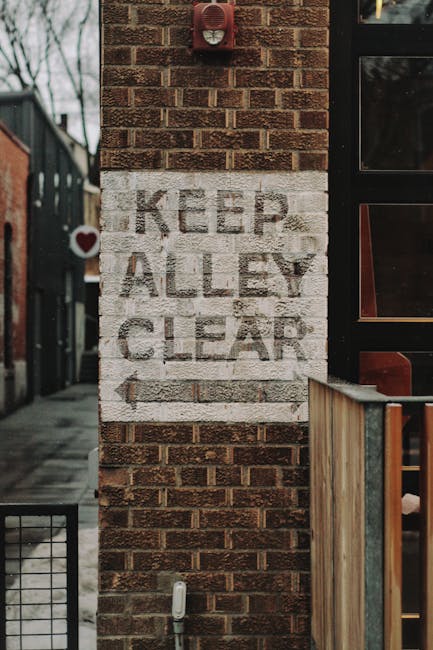
Avoid fly-tipping in Mortlake alleyways: immediate steps
Fly-tipping in a Mortlake alleyway is never just an eyesore. It blocks access, attracts more dumping, can smell awful by the next morning, and leaves residents feeling like nobody is in control. If you have woken up to a pile of black bags, broken furniture, or builder's rubble left behind overnight, you need simple, immediate steps that actually help.
This guide explains how to avoid fly-tipping in Mortlake alleyways: immediate steps you can take right away, plus the practical habits that reduce repeat dumping over time. It is written for homeowners, landlords, tenants, managing agents, local businesses, and anyone who has to deal with a shared alley or back passage that seems to attract waste whenever people get careless. Let's face it, alleyways can become a magnet for the wrong sort of activity if nobody acts quickly.
Below you will find what fly-tipping means in this context, why it matters, how to deal with it safely, and what to do next if the waste is more than a quick tidy-up. There is also a clear checklist, a comparison table, and a realistic example based on the kind of situation people in Mortlake run into all the time.
Table of Contents
- Why avoiding fly-tipping in Mortlake alleyways matters
- How immediate steps work in practice
- Key benefits and practical advantages
- Who this is for and when it makes sense
- Step-by-step guidance
- Expert tips for better results
- Common mistakes to avoid
- Tools, resources and recommendations
- Law, compliance, standards and best practice
- Options and comparison table
- Case study or real-world example
- Practical checklist
- Conclusion
- Frequently asked questions
Why Avoiding Fly-Tipping in Mortlake Alleyways Matters
Alleyways are narrow, hidden, and often shared by several properties. That makes them useful for bin access, deliveries, and maintenance, but also awkward when waste is dumped there illegally. A single abandoned mattress or a few builder's bags can quickly turn into a bigger problem. Once one person dumps waste and it stays put, others often follow. It is frustrating, but it happens.
In Mortlake, the impact is usually practical before it is anything else. People notice blocked access to bins, prams, bikes, back doors, and fire escape routes. Vermin can appear. The alley starts to look neglected, and that can affect how residents feel about the whole street. If a passage smells damp and stale in the evening or looks worse after rain, it also becomes more likely that more rubbish will be added.
There is a wider community point too. Alleyways sit between private responsibility and shared access, which means problems can linger if nobody claims the first step. Immediate action matters because delay usually makes the job larger, messier, and more expensive. A small response today can prevent a proper headache next week. Truth be told, that is where most of the difference is made.
Practical takeaway: the fastest way to stop repeat fly-tipping is to remove the opportunity, document the mess, and reset the space so it no longer looks abandoned.
How Avoid Fly-Tipping in Mortlake Alleyways: Immediate Steps Works
The phrase sounds straightforward, but the process is really about three things happening in the right order: make the alley safe, record what is there, and remove the waste properly. If you do those three things well, you reduce the chance of injury, disputes, and repeat dumping.
Start by treating the area as a potential hazard. You do not know what is in the bags, whether there are sharp edges, broken glass, needles, or hidden liquids, and it only takes one careless lift to make a bad day worse. That is why the first step is observation, not action. Stand back, look at the volume and the type of material, and decide whether it is safe to handle at all.
Next comes the practical side. If the waste is light household rubbish and clearly safe, a managed removal may be possible. If it includes bulky items, builders' rubble, damp materials, or anything that may have been dumped by a tradesperson, it may need a more structured clearance. For larger clear-outs, a proper waste removal service is often the simplest way to restore access without turning the alley into a weekend project.
Finally, preventing repeat dumping is part of the same job. An alley that stays tidy, visible, and clearly managed is less inviting to opportunistic dumpers. That does not mean perfection. It means enough order that people think twice before leaving a bag there. Sometimes just a clear, visible reset is enough to change behaviour. Not always, but often enough to matter.
Key Benefits and Practical Advantages
Dealing with fly-tipping quickly brings more than a neat-looking alley. There are concrete advantages that show up straight away, especially in shared London access routes where space is tight.
- Better access: Residents can reach bins, rear entrances, and meter cupboards without climbing over waste.
- Lower safety risk: Fewer trip hazards, fewer sharp objects, and less chance of blocked emergency access.
- Less repeat dumping: A cleaned and monitored space is less likely to attract more rubbish.
- Improved neighbour relations: Shared spaces are less tense when people can see action being taken.
- Faster resolution: Small incidents are easier to manage before they spread.
- Cleaner impression: If you manage a property or let a flat, the alley is part of the first impression, even if people pretend not to notice it.
There is also a quiet benefit people underestimate: peace of mind. Nobody likes walking past a half-open bag of rubbish every day and wondering whether the smell is going to get worse. Clearing it properly removes that background stress. Small thing, maybe. But it counts.
Who This Is For and When It Makes Sense
This advice is useful if you live near a shared back passage, own a rental property, manage a small block, run a local business with rear access, or are part of a residents' group trying to keep communal space under control. It also makes sense for landlords and agents dealing with end-of-tenancy overflow, because alleyways often become the temporary drop zone when people are moving in a hurry.
You may need immediate steps if you notice:
- black bags left beside bins for more than a day
- old furniture, mattresses, or broken shelving
- builder's waste after a refurbishment
- garden cuttings that look like they were dumped, not stored
- food waste attracting pests
- items with no obvious owner, especially after dark
It also makes sense if the alley is used as a shortcut by several households. The more people pass through, the more important it is to keep the area tidy and visibly managed. If one person leaves waste there and nobody responds, others tend to copy the behaviour. Human nature, sadly.
For bigger household clear-outs, you may want to look at services like home clearance or house clearance rather than leaving items to accumulate in an alley in the first place. If the waste came from a flat or shared conversion, flat clearance can be a more suitable fit.
Step-by-Step Guidance
If you need to act now, keep it simple and follow a sequence. The point is not to be heroic. The point is to make the situation safe and controlled.
1. Check the area from a distance
Look for broken glass, sharp metal, liquids, syringes, or anything that looks contaminated. If the waste includes building materials, fridges, paint tins, or unknown sacks, do not rush in. A quick glance can save a lot of trouble.
2. Photograph the scene
Take a few clear pictures before anything is moved. You want the size of the pile, the exact position, and any visible labels or packaging. If there are items with names, addresses, or business labels, keep the photos discreet and factual. No drama, just evidence.
3. Identify whether it is safe to sort
Small dry items may be manageable. But if there is food waste, waste water, broken furniture, or mixed debris, the sensible move is to avoid handling it directly. In alleyways, mixed waste often hides more hazards than people expect.
4. Separate obvious reusable or recyclable items only if safe
If you can safely distinguish cardboard, clean metal, or intact furniture, separate them from contaminated waste. Do not sort through black bags by hand. That is where people go wrong. A pair of gloves is not a magic shield.
5. Arrange proper clearance
For a small load, local clearance may be enough. For bulky, mixed, or awkward waste, use a team that can collect and remove it properly. If the alley is cluttered with old garden materials as well, a dedicated garden clearance can help restore the space without sending green waste into a general pile.
6. Clean and reset the alley
Once the waste is gone, sweep the area, remove residue, and check whether anything is left behind that could tempt more dumping. Even a few forgotten bags or loose packaging can make the space look available again.
7. Put a prevention measure in place the same day
That could mean better lighting, a closed gate, a notice to residents, or a reminder to keep bins inside until collection day. Immediate steps work best when they are paired with one simple prevention habit.
If the mess came from renovation work, it is worth treating it as building-related from the start. A service such as builders waste clearance is often the cleaner way to deal with rubble, plasterboard, timber offcuts, and packaging from a project. Different waste, different approach. Makes sense once you say it out loud.
Expert Tips for Better Results
In our experience, the best alleyway clean-ups are the ones that feel almost boring. No fuss, no last-minute panic, just a clear process. Here are the small things that make a big difference.
- Act within 24 hours where possible. The longer waste sits, the more likely it is to attract more dumping.
- Use a consistent resident point of contact. One person or managing agent should keep the thread together.
- Keep the alley visible. Better light and less clutter reduce opportunistic behaviour.
- Make bins easy to use. Overflowing bins often cause side dumping, which then becomes a magnet for fly-tipping.
- Choose the right clearance type. Furniture, waste, garden debris, and office rubbish all behave differently.
- Document repeat incidents. Patterns matter. A one-off is annoying; a pattern tells you something is wrong with access or behaviour.
If the items are mainly old sofas, chairs, wardrobes, or broken tables, then furniture clearance or furniture disposal is usually more efficient than a general tidy-up. And if the problem is linked to a business unit or back-of-house area, the right route may be business waste removal instead.
One more thing. Don't overcomplicate the first response. People sometimes spend two days debating who should do what while the pile gets worse. Better to do the useful thing first, then sort the paperwork later. A bit rough around the edges maybe, but it works.
Common Mistakes to Avoid
Most repeat fly-tipping problems are made worse by a handful of predictable mistakes. Avoid these and you are already ahead.
- Leaving waste "for later". That is how one bag becomes a dozen.
- Opening unknown bags without protection. Not worth it.
- Assuming someone else will report it. Shared space often means no one acts first.
- Using the alley as temporary storage. Residents and tradespeople both do this, and it usually backfires.
- Mixing recyclables with contaminated waste. Once it is dirty, it usually needs different handling.
- Only cleaning the visible part. Hidden corners matter just as much.
- Skipping the prevention step. A clean alley without a plan is just an invitation to repeat the whole mess.
Another common mistake is relying on guesswork about what can be left out. If it is bulky, odd-shaped, wet, or potentially hazardous, treat it as something that needs proper removal. That may include items from a garage, loft, or garden area that were moved outside and then abandoned. For those, garage clearance or loft clearance may be the better route if the waste originated from inside the property rather than the alley itself.
Tools, Resources and Recommendations
You do not need a van full of specialist gear to handle the first response. A few simple tools are enough for most safe, small-scale situations.
| Tool or resource | What it helps with | Best used when |
|---|---|---|
| Heavy-duty gloves | Basic protection for light handling | Sorting safe, dry items only |
| Strong bin bags | Containment for small loose waste | The mess is minor and uncontaminated |
| Camera or phone | Before-and-after records | Always, really |
| Torch | Checking dark corners and after-hours issues | Rear access lanes and early mornings |
| Broom and dustpan | Final clean-down | After the main waste is removed |
| Property contact list | Speeds up coordination | Shared alleys and multiple residents |
For larger or repeated waste problems, it helps to know your options before the alley fills up again. If you are comparing services, the pages on pricing and quotes and recycling and sustainability can be useful starting points when you want a clearer picture of what happens to collected waste and how costs are usually approached.
If the issue is part of a bigger property turnover, furniture clearance, home clearance, or even a full office clearance may be more efficient than piecemeal trips. The right service keeps the alley tidy and avoids making it a temporary storage area. Which, honestly, never looks good.
Law, Compliance, Standards and Best Practice
Fly-tipping is illegal in the UK, but for day-to-day readers the more useful point is this: if you leave waste in a shared alley, you may create a nuisance, a blockage, or a responsibility issue even when you do not intend to. In practice, the safest approach is to dispose of rubbish through a legitimate, traceable route and keep records where you can.
Best practice usually includes:
- keeping waste inside until collection or removal is arranged
- using a reputable clearance provider for bulky waste
- separating hazardous or awkward materials rather than bundling them together
- keeping access routes clear for neighbours and emergency access
- maintaining simple records of collection, especially for communal or commercial waste
For businesses, the standard is higher in the sense that waste should be managed carefully and predictably. A back alley behind a shop, salon, or office can become a problem very quickly if packaging, old stock, or refurb items are left outside. If that sounds familiar, business waste removal is usually the more sensible route than relying on ad hoc disposal.
It is also wise to use companies that explain their process clearly, including payment, security, insurance, and health-and-safety arrangements. That is not paperwork for the sake of paperwork. It is how you avoid unpleasant surprises later. If a provider cannot explain how they work in plain English, that is worth noting.
Options, Methods, or Comparison Table
Not every alleyway incident needs the same response. Here is a simple comparison to help you choose the next step.
| Option | Best for | Pros | Watch out for |
|---|---|---|---|
| Quick resident tidy-up | Small, safe, dry waste | Fast and low-cost | Only suitable when the mess is minor |
| Managed waste removal | Mixed rubbish or repeated dumping | Safer, more complete, less stressful | Needs scheduling and access |
| Furniture disposal | Sofas, beds, tables, wardrobes | Best for bulky items | Not ideal for mixed rubble or bags |
| Builders waste clearance | Rubble, timber, plasterboard, renovation debris | Designed for heavy or awkward loads | Not the right fit for household clutter |
| Garden clearance | Soil, branches, cuttings, outdoor waste | Good for green waste and outdoor mess | Needs separating from general rubbish |
If you are trying to decide between methods, ask one question first: what type of waste is actually there? That sounds basic, but it is the bit people skip. And once the wrong method is chosen, the whole job drags.
Case Study or Real-World Example
Picture a Mortlake alley behind a row of terraced homes on a damp Tuesday morning. One household has moved out, two bins are already full, and a broken wardrobe has been left leaning against the wall because "someone was coming back for it". By lunchtime, a bag of mixed rubbish appears beside it. By the following evening, there are three more bags, an old printer, and a cracked plant pot full of wet compost.
What worked in that kind of situation was not fancy. A resident took photos, flagged the issue with the households using the alley, and arranged a proper clearance for the bulky items. The space was swept the same day, and the bin area was reset so it looked used, not abandoned. That mattered. Within a week, the dumping stopped because the alley no longer looked like an open invitation.
The important bit is not the exact waste mix. It is the pattern. Once the space was cleared quickly, people stopped treating it as a convenient drop point. That is the kind of result you want: not perfect, just controlled.
Practical Checklist
Use this checklist when you spot fly-tipping in a Mortlake alleyway.
- Stop and check for hazards before touching anything.
- Take photos of the waste and the surrounding area.
- Identify whether the waste is dry, bulky, wet, sharp, or mixed.
- Keep children, pets, and neighbours away from the pile.
- Do not open black bags or move suspect items by hand.
- Arrange the right removal method for the type of waste.
- Clear the area fully, including loose debris and packaging.
- Make the alley look actively managed again.
- Put one prevention measure in place immediately.
- Keep a note of what happened in case it repeats.
If the source of the waste is a property move, end-of-tenancy clear-out, or a room full of unwanted items, a broader service such as house clearance or flat clearance can prevent the alley from becoming the overflow point in the first place.
Conclusion
To avoid fly-tipping in Mortlake alleyways, the key is simple: act fast, stay safe, remove the waste properly, and make the space look managed again before someone else decides to dump more. That combination works better than waiting for the problem to sort itself out, and in real life, it rarely does.
Whether you are dealing with a one-off mattress, a pile of builder's rubble, or a recurring mess behind shared homes, the immediate steps are the same: assess, document, clear, and prevent. Do that well and the alley becomes a usable part of the property again, not a source of daily irritation. That is worth the effort, honestly.
Get a free quote today and see how much you can save.
If you are ready to sort an alleyway problem properly, take a look at the practical support available through contact us or learn more about the team on the about us page. A quick response today can spare you a much bigger headache tomorrow.
Frequently Asked Questions
What should I do first if I find fly-tipping in a Mortlake alleyway?
First, check for obvious hazards from a safe distance. Take photos, avoid touching unknown bags or sharp items, and decide whether the waste needs professional removal. Safety first, always.
Can I move fly-tipped waste myself?
Only if it is clearly safe, dry, and light enough to handle without risk. If the pile includes broken glass, liquids, heavy furniture, rubble, or contaminated waste, leave it alone and arrange proper clearance.
How do I stop people dumping rubbish in the alley again?
Keep the area clear, well lit, and visibly managed. Quick removal matters more than people think. If an alley looks neglected, more dumping often follows. A simple reset can make a real difference.
Is fly-tipping the same as leaving bins out too early?
No, but it can look similar from a distance. Fly-tipping usually means waste has been dumped illegally or without permission. Leaving bins out too early is a different issue, though it can still create clutter and encourage misuse.
What kind of waste is most likely to be dumped in alleyways?
Common examples include black bags, old furniture, mattresses, broken shelving, garden waste, and renovation debris. Sometimes it is mixed rubbish from a move or a rushed clear-out. Once one item appears, more can follow.
Should I report fly-tipping even if I'm not sure who dumped it?
Yes. You do not need to know the owner to report the issue or arrange removal. Photos and a clear description of the location are often enough to get the process moving.
What is the best way to handle bulky items in a narrow alley?
Use a clearance method suited to the item type. Furniture, builders waste, and garden waste all need different handling. For bulky or awkward items, a structured waste removal service is usually more efficient than trying to shift things by hand.
Can fly-tipping become a health or safety issue?
Yes. It can attract pests, block access, create trip hazards, and hide sharp or contaminated materials. In damp weather, it can get worse quickly too. A wet alley with mixed rubbish is not something to ignore.
How quickly should I deal with dumped waste?
As quickly as you reasonably can. The longer it stays, the more visible and inviting it becomes to others. Same day or next day is ideal for small issues; larger jobs should be arranged as soon as possible.
Do I need a specific service for garden or construction waste?
Usually, yes. Garden debris and renovation waste are better handled through the right clearance type rather than mixed with general rubbish. That keeps the job cleaner, safer, and less expensive to manage badly later.
What if the alley belongs to several properties?
Then coordination matters. Agree who is responsible for reporting, arranging clearance, and keeping the area clear. Shared spaces often fail when everyone assumes someone else will deal with it. A named contact helps a lot.
Where can I get help with a larger clearance in Mortlake?
If the problem is more than a small tidy-up, a professional waste team can help with bulky items, mixed loads, and recurring alleyway dumping. It is usually the calmer, safer route when time is short and the mess is growing.
Is it worth cleaning the alley if it might get dumped again?
Yes. A clean, reset alley is less likely to attract repeat dumping than one left half-cleared. Prevention is easier after the space has been restored, not before. That part is easy to miss.
What should I do if I suspect hazardous waste?
Do not touch it. Keep people away and arrange specialist advice or proper removal through a suitable service. Hazardous-looking waste should always be treated cautiously, even if it turns out to be less serious than it first looked.